Less than four months after the Federal Aviation Administration rolled out its 2021 Aviation Climate Action Plan, the agency’s official blueprint for achieving net-zero aviation emissions by 2050 is already starting to look dated. The plan relies overwhelmingly on sustainable aviation fuel (SAF) as the principal pathway for reducing the U.S. aviation sector’s greenhouse gas emissions. It is plainly dismissive of hydrogen, stating: “we do not expect hydrogen-powered aircraft to make a significant contribution toward achieving net-zero aviation emissions by 2050.”
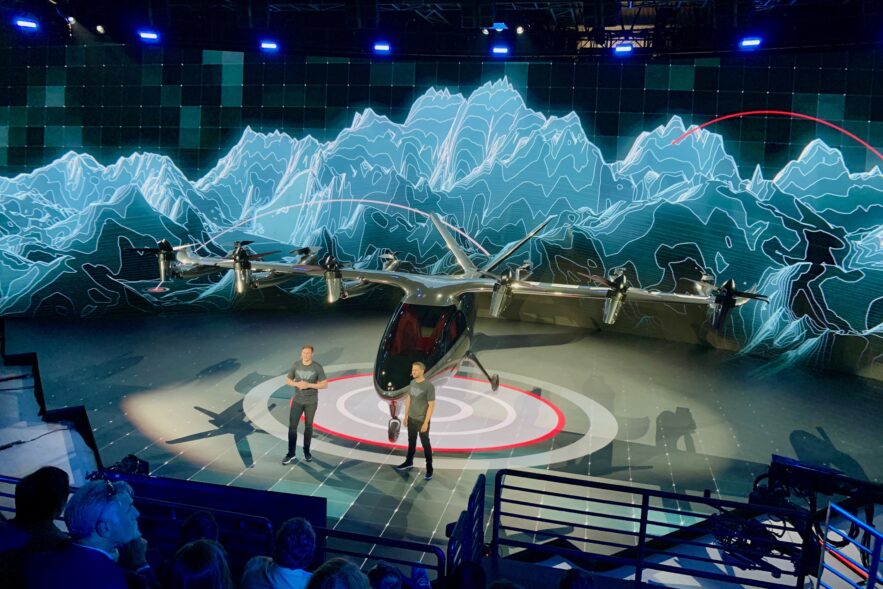
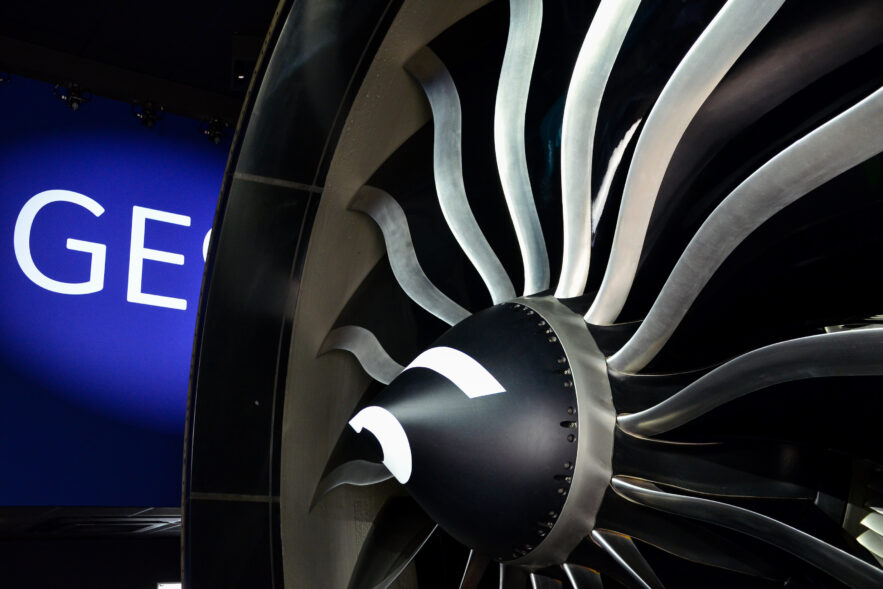
GE Aviation and Safran laid out their post-pandemic strategy, a broad technology development plan called RISE aimed at low-emission propulsion for commercial aviation in the 2030s. In a ceremony befitting the cinematic legacy of Southern California, eVTOL entrant Archer unveiled its Maker technology demonstrator. The well-funded start up is part of an industry gold rush that looks a lot like aerial entrepreneurs of the 1920s. Your humble correspondent returned to flying again after 470 days on the ground. But who's counting?
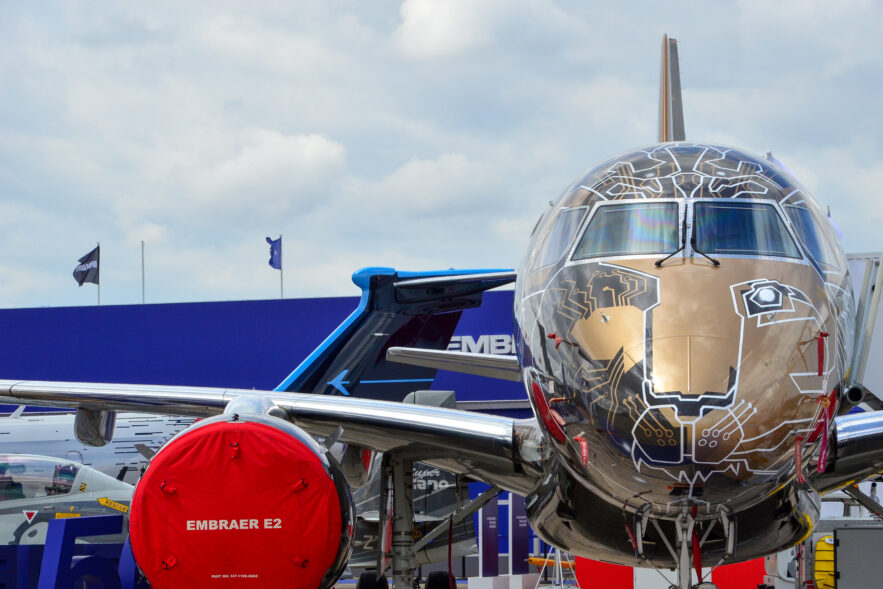
In an extended interview, Arjan Meijer, Embraer's new Commercial Aviation CEO sat down with The Air Current to discuss what it wants in a partner and its path to a new turboprop.
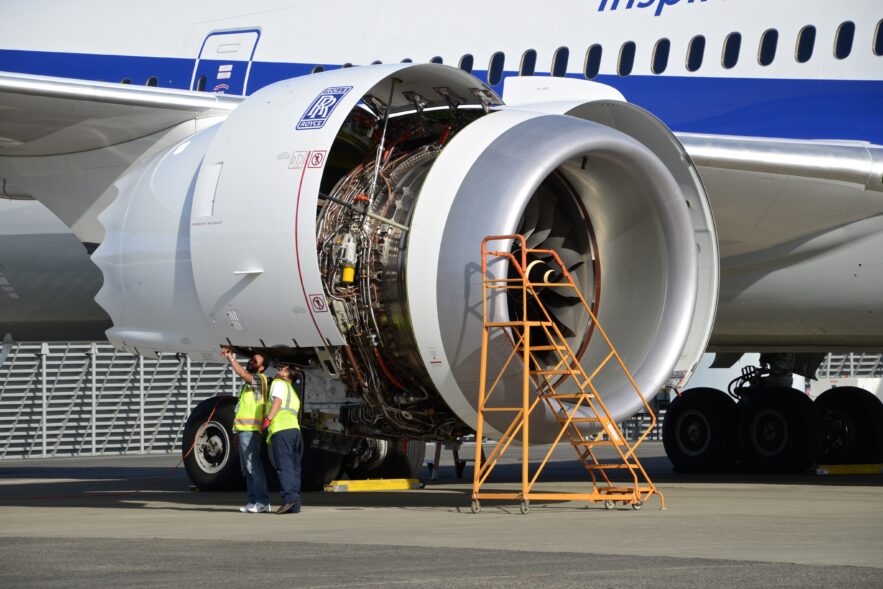
You can only blame so much on a pandemic. Like a pre-existing condition that can make a case of COVID-19 deadly versus asymptomatic, the business model governing engine makers and their relationship to aircraft manufacturers made them exceptionally vulnerable. The collapse of global commercial aviation merely revealed the fundamental weakness baked into the relationship.
Major leadership changes at GE, Embraer and Mitsubishi. What if the 777X freighter is too small? And what of an A380 combi? COVID-19 will wipe out 20 cents of every dollar earned by airlines for the last half century.


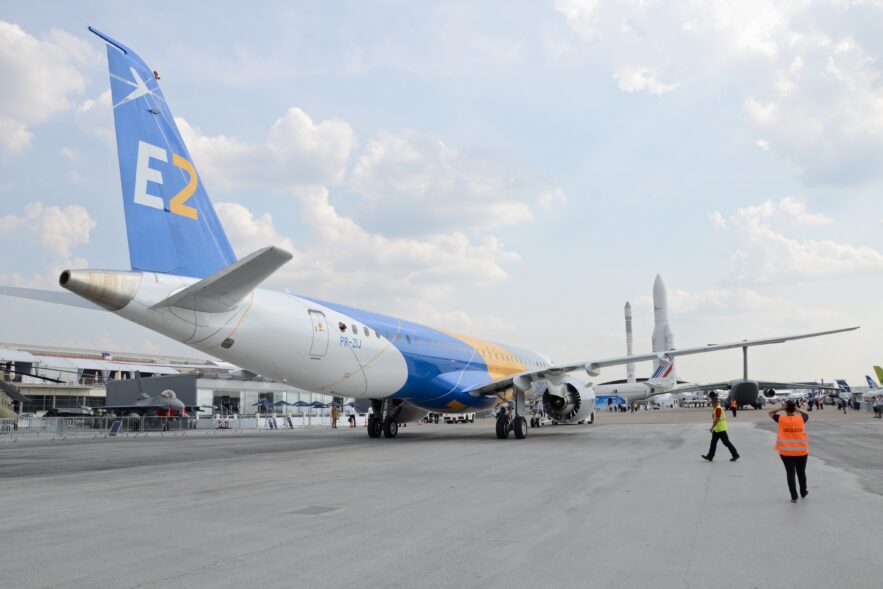
To E3 or not to E3 Embraer’s commercial aircraft boss, John Slattery, put to bed on Monday the prospect of launching a...