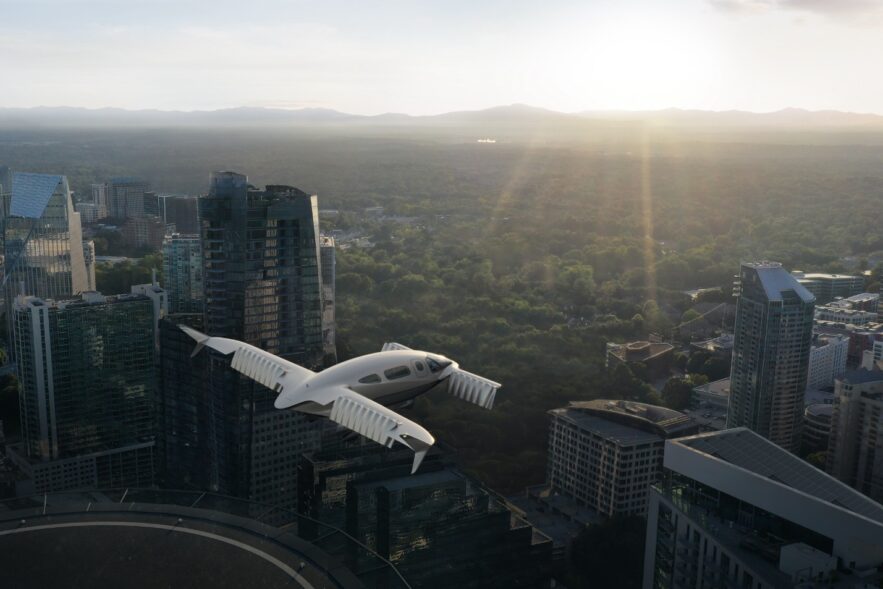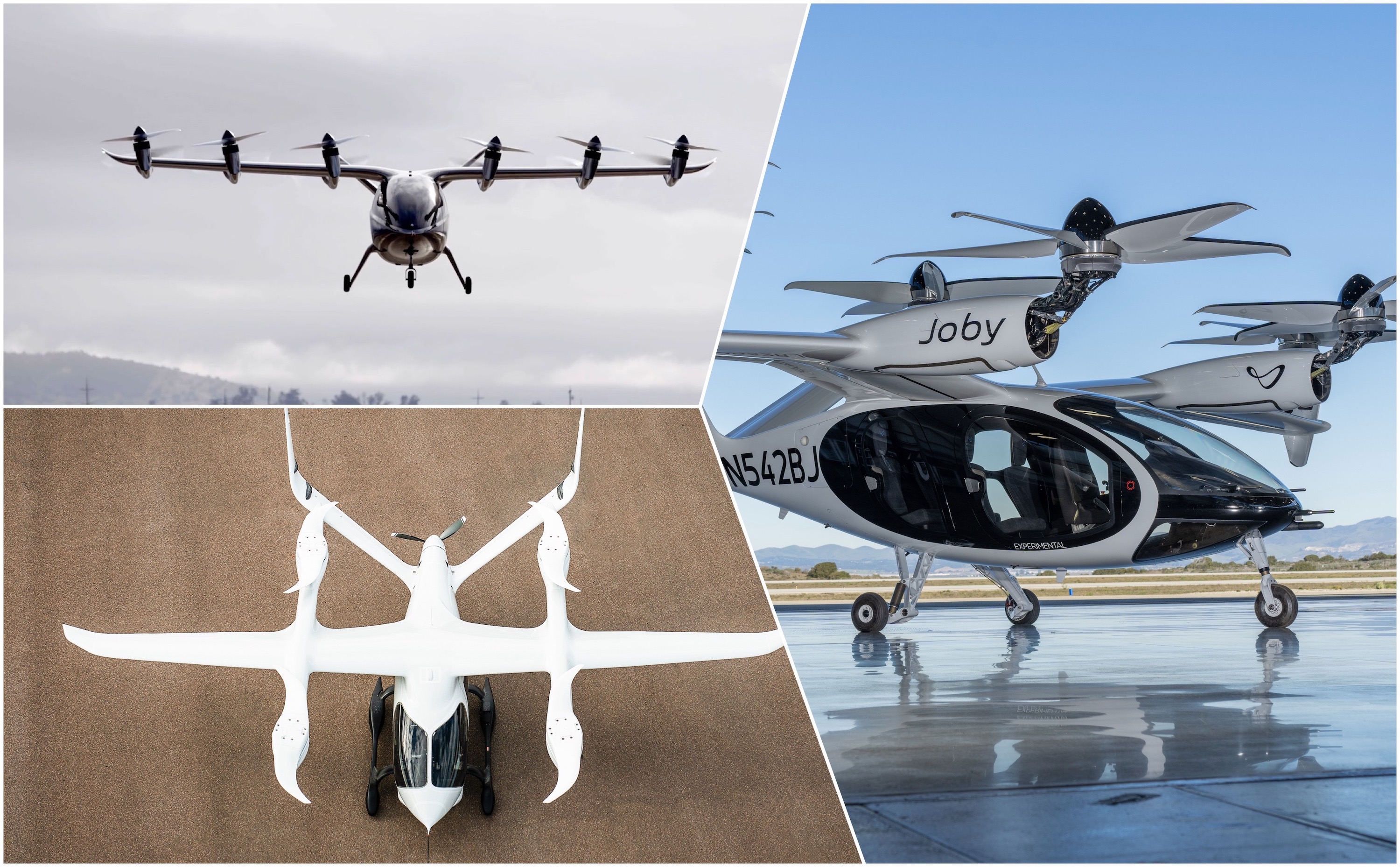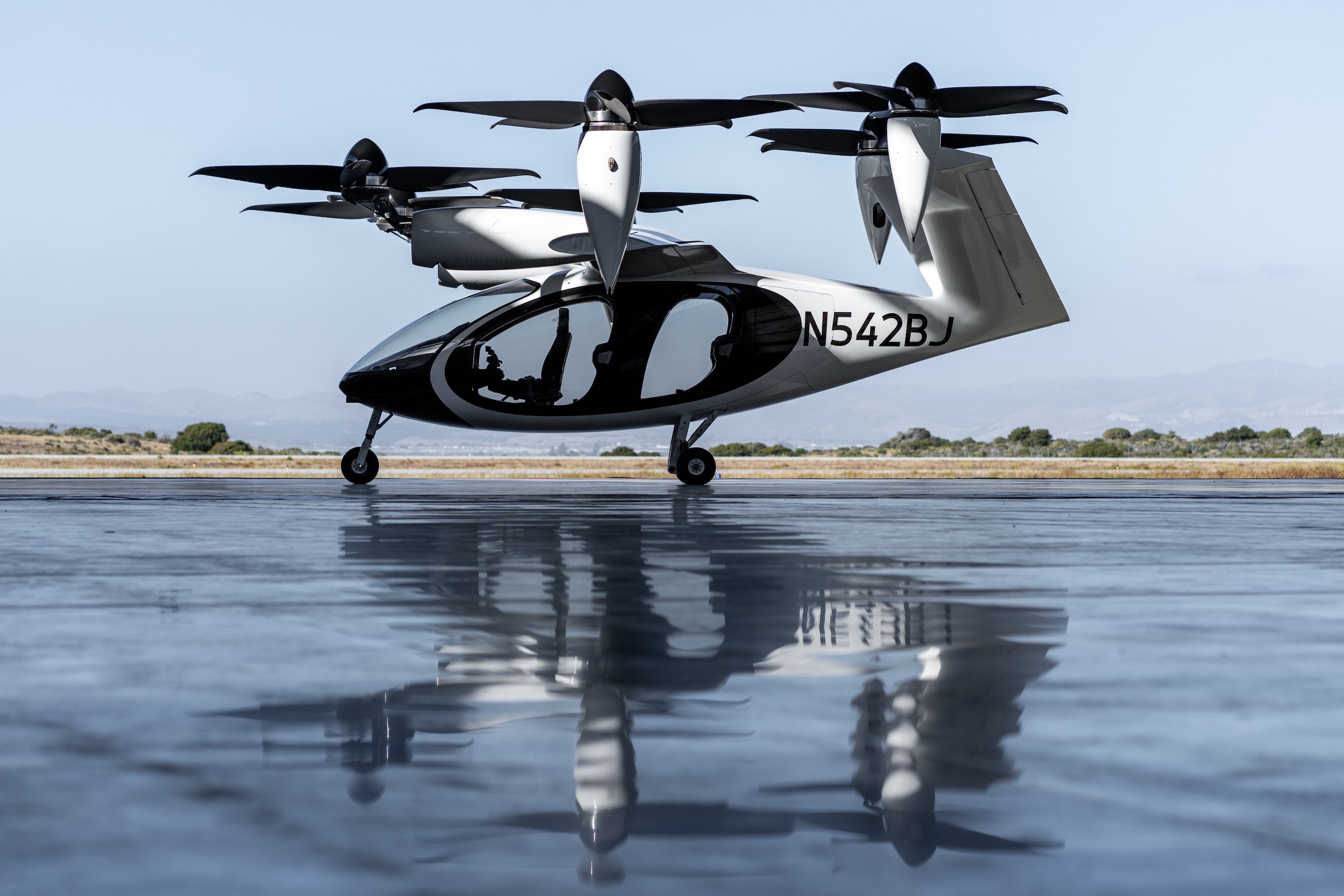
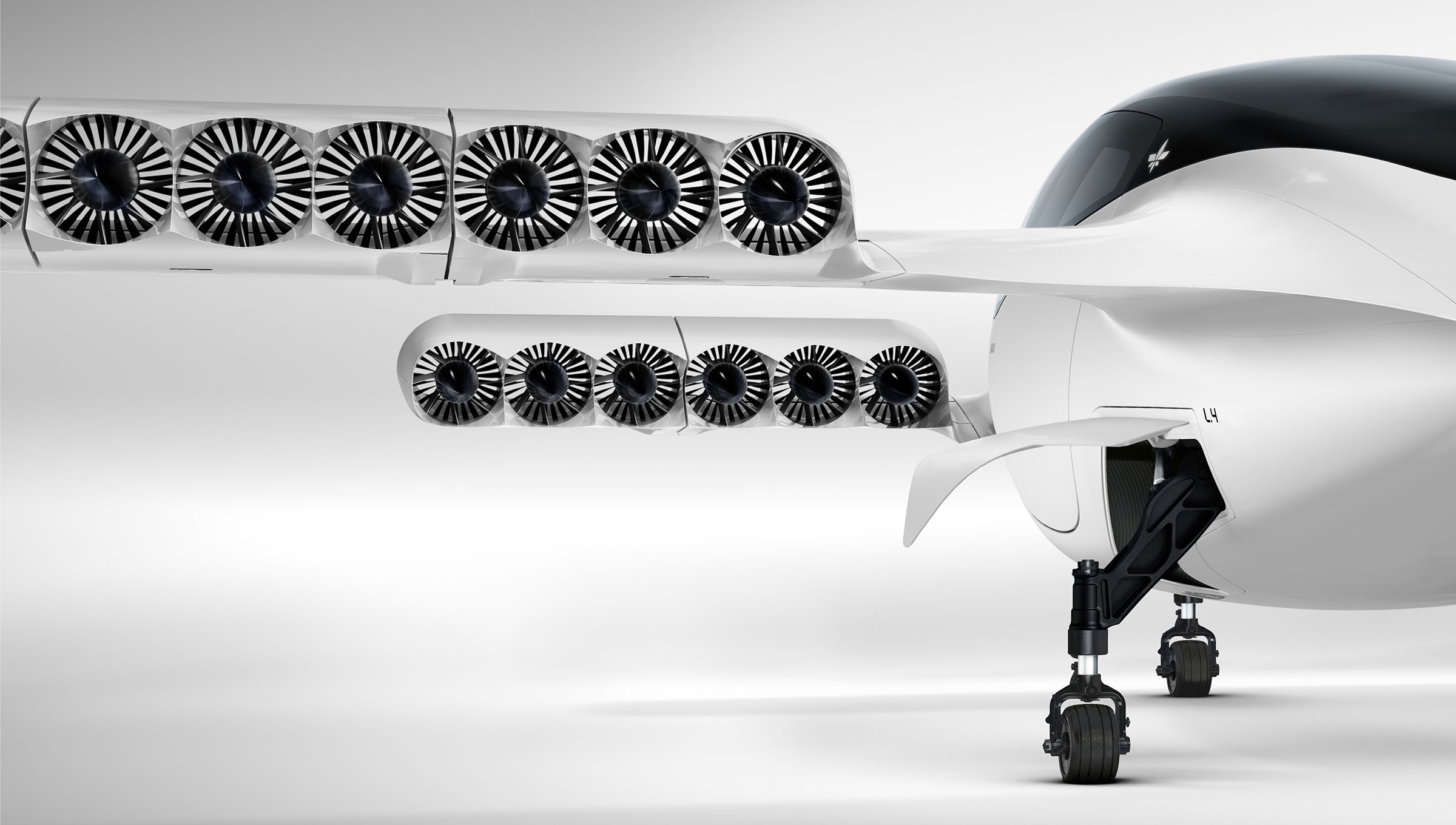
While such deals across the rising eVTOL industry seemingly represent a new aerospace business model in which customers have a stake in the overall success of the product, a detailed review of securities filings and other fine print by The Air Current reveals a far more transactional arrangement. Airlines are lending their branding and credibility in exchange for a possibly lucrative piece of a buzzy market, regardless of whether or not an aircraft will be delivered or even formally ordered.



United Airlines wants to fly supersonic with Boom's Overture. "We are pushing the boundaries of what we can do here in commercial aviation.”

These findings imply that the first wave of eVTOL developers should focus less on pitching their services as a daily commuting solution, and more on a mix of use cases that can support a practical and profitable roll-out. There’s a chicken-and-egg element involved in scaling UAM: driving costs low enough to create the demand that will drive costs down even further. While there are additional hurdles to scale (such as coordinating thousands of low-altitude flights per day in congested urban airspace) economics will be front and center in establishing this new industry’s viability, and the evidence suggests that if you build a system for commuters alone, they won’t come.

When Embraer spinoff Eve on Dec. 21 confirmed plans to combine with Zanite Acquisition Corp., it became the sixth company in the urban air mobility space to link up with a special purpose acquisition company (SPAC). Rather than speak to the continued strength of SPACs, however, the deal illustrates the funding vehicle’s decline as an ample source of outside capital — even as it cements Embraer’s strategy of using partnerships to expand into new markets.