Less than four months after the Federal Aviation Administration rolled out its 2021 Aviation Climate Action Plan, the agency’s official blueprint for achieving net-zero aviation emissions by 2050 is already starting to look dated. The plan relies overwhelmingly on sustainable aviation fuel (SAF) as the principal pathway for reducing the U.S. aviation sector’s greenhouse gas emissions. It is plainly dismissive of hydrogen, stating: “we do not expect hydrogen-powered aircraft to make a significant contribution toward achieving net-zero aviation emissions by 2050.”
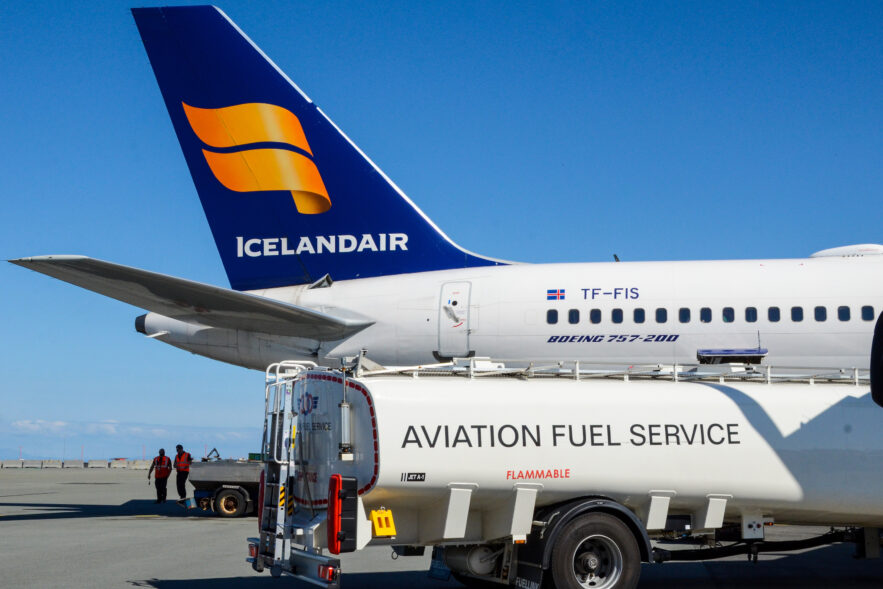
Airlines rally new climate targets at IATA’s annual meeting, puts onus largely on sustainable fuel production to meet 2050 carbon neutrality goal.
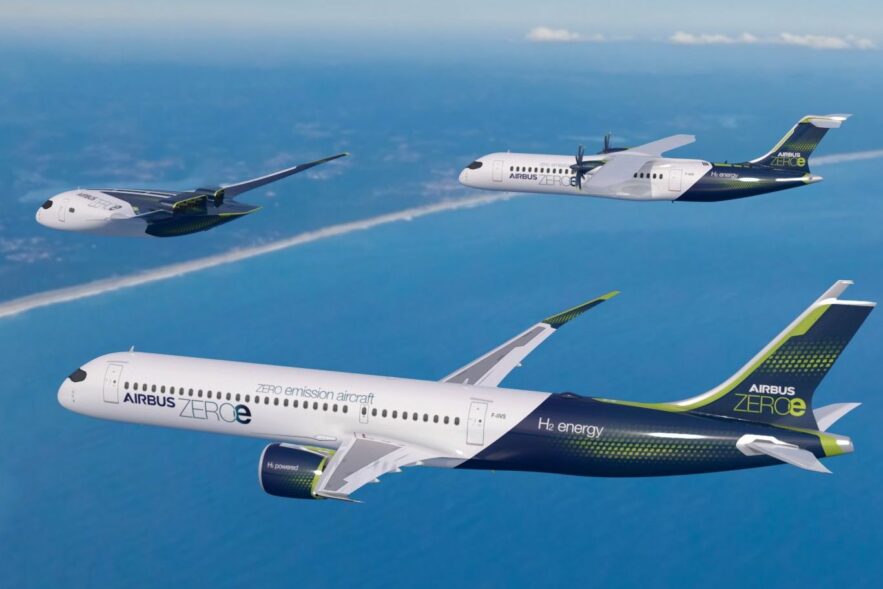
Embedded inside the strategic assumptions underpinning flying with hydrogen paint a very different future for aviation than the one to which the industry has become accustomed over the last 40 years.