Log-in here if you’re already a subscriber Release DateMay 6, 2020Boeing closes the door on Embraer, opens one for MitsubishiPurchase...
Log-in here if you’re already a subscriber Release DateAugust 2, 2022Batteries are a looming certification challenge for electric aviation hopefulsPurchase...
Beyond labor shortages, constrained maintenance capacity, and a still-significant portion of the world’s fleet parked, a previously unthinkable challenge faces the industry as the global economy marches on. We may not have enough airplanes.
Log-in here if you’re already a subscriber Release DateApril 7, 2020The uncertain future for Boeing's twin 787 assembly lines in...
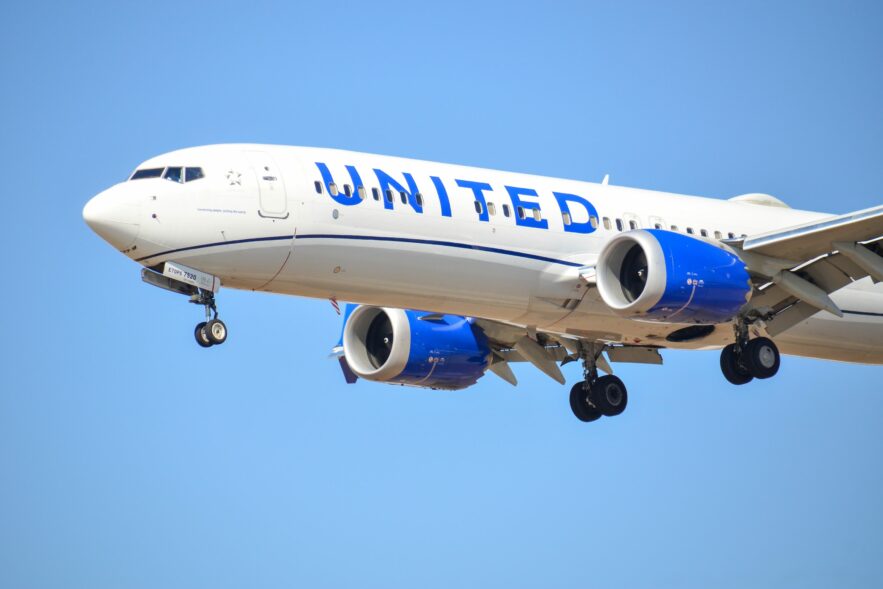
Log-in here if you’re already a subscriber Release DateDecember 13, 2022With hundreds ordered, United wonders when its new fleet will...
Log-in here if you’re already a subscriber Release DateDecember 20, 2019Supply chain built on promise of 737 Max bumper crop...
Log-in here if you’re already a subscriber HEAR FROM THE AIR CURRENT Leave this field empty if you're human: Release...
You can only blame so much on a pandemic. Like a pre-existing condition that can make a case of COVID-19 deadly versus asymptomatic, the business model governing engine makers and their relationship to aircraft manufacturers made them exceptionally vulnerable. The collapse of global commercial aviation merely revealed the fundamental weakness baked into the relationship.
Subscribe now to continue reading......
“The wake up call of the Max was something that told them that all was not right.”
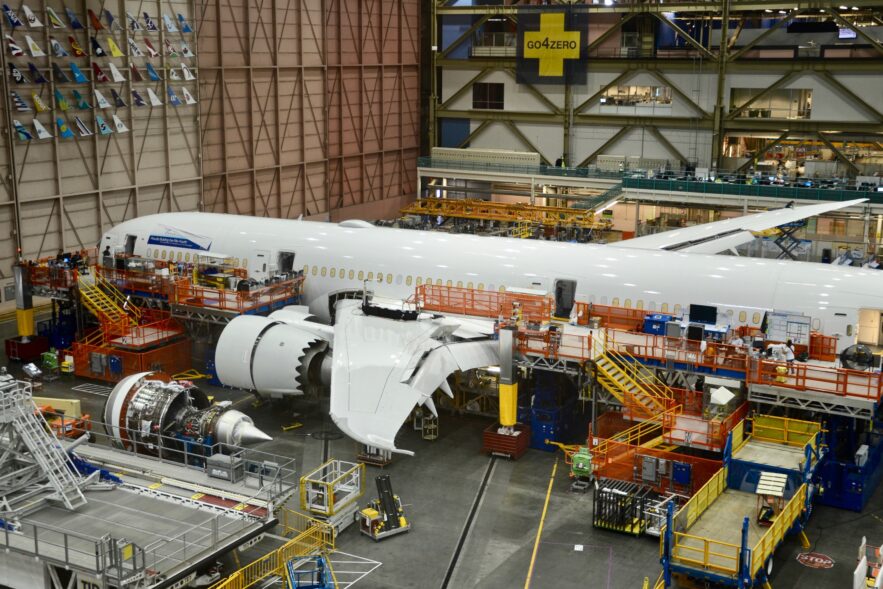
Pandemic was accelerant, not cause of decision to consolidate 787 final assembly to its North Charleston, S.C. plant.
The threat of increased conflict between Russia and Ukraine and the resulting fall-out leaves the civil aerospace industry acutely vulnerable to everything from astronomical jet fuel prices and disrupted airspace to the potential for full-scale derailment of commercial aircraft production.