Denial of aviation is a weapon that predates the 21st century battlefield. Yet, with the return of war to Europe, it is also aviation’s Achilles’ heel. With it comes a cascading series of immediate and longer term consequences in the skies as commercial and industrial links are quickly broken after decades of cultivation following the fall of the Soviet Union.
Elan Head and Jon Ostrower·
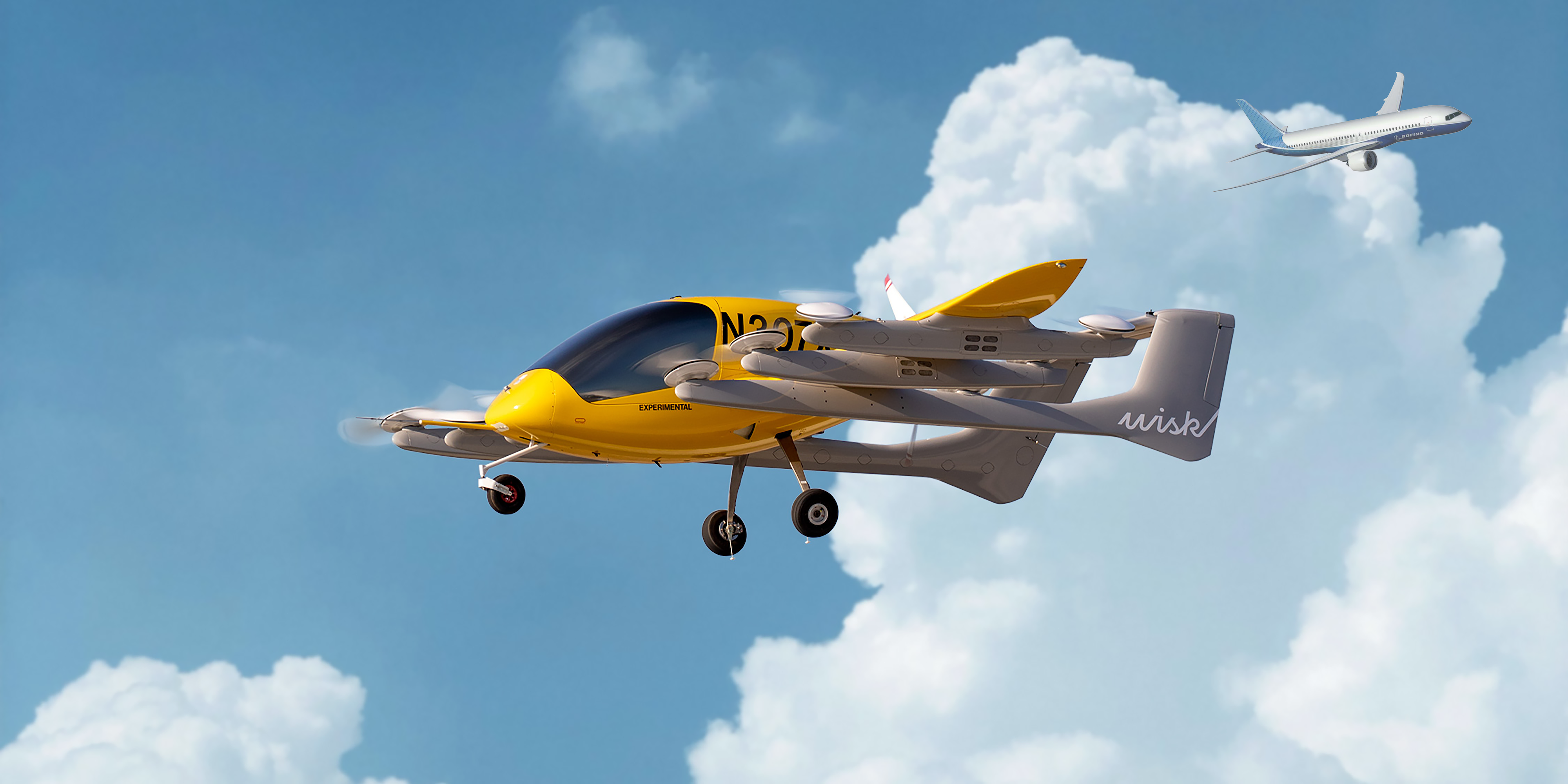
For Wisk and its major backers, it’s all or nothing — and if the startup can win a fully-autonomous certification, it offers Boeing a bridge to adapt those technologies to its next-generation airliners, a goal it has eyed since at least 2017.
These findings imply that the first wave of eVTOL developers should focus less on pitching their services as a daily commuting solution, and more on a mix of use cases that can support a practical and profitable roll-out. There’s a chicken-and-egg element involved in scaling UAM: driving costs low enough to create the demand that will drive costs down even further. While there are additional hurdles to scale (such as coordinating thousands of low-altitude flights per day in congested urban airspace) economics will be front and center in establishing this new industry’s viability, and the evidence suggests that if you build a system for commuters alone, they won’t come.
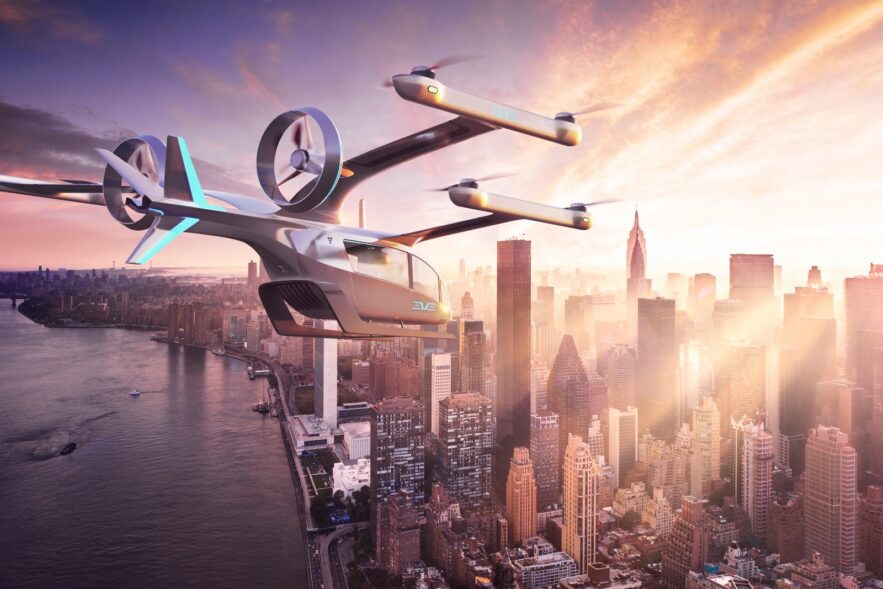
When Embraer spinoff Eve on Dec. 21 confirmed plans to combine with Zanite Acquisition Corp., it became the sixth company in the urban air mobility space to link up with a special purpose acquisition company (SPAC). Rather than speak to the continued strength of SPACs, however, the deal illustrates the funding vehicle’s decline as an ample source of outside capital — even as it cements Embraer’s strategy of using partnerships to expand into new markets.
Airlines rally new climate targets at IATA’s annual meeting, puts onus largely on sustainable fuel production to meet 2050 carbon neutrality goal.
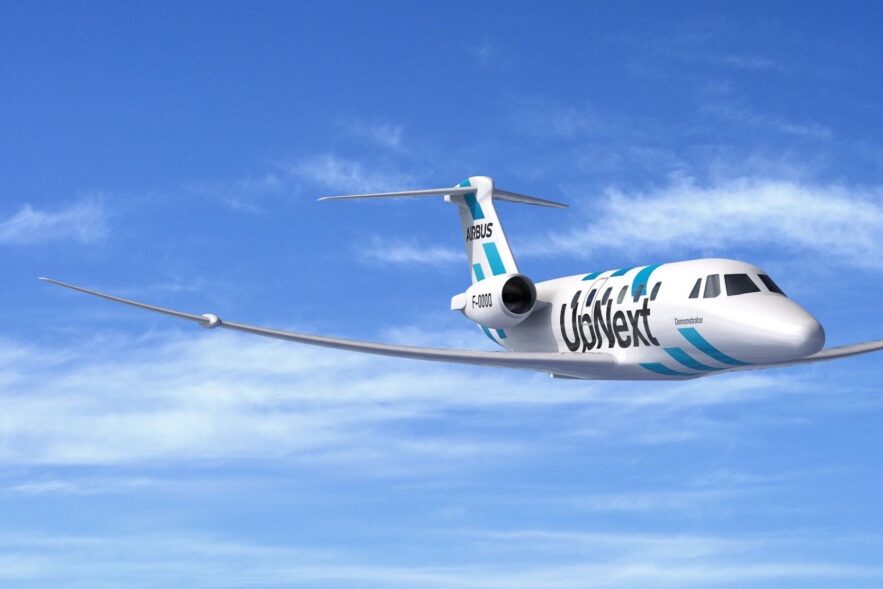
The Air Current has focused recent months extensively reporting on Airbus’s, until now, secret research effort to completely re-wing a Cessna business jet and rapidly accelerate a suite of new advanced flight control technologies -- including a foldable wingtip designed to flap freely in turbulence and maneuvers.
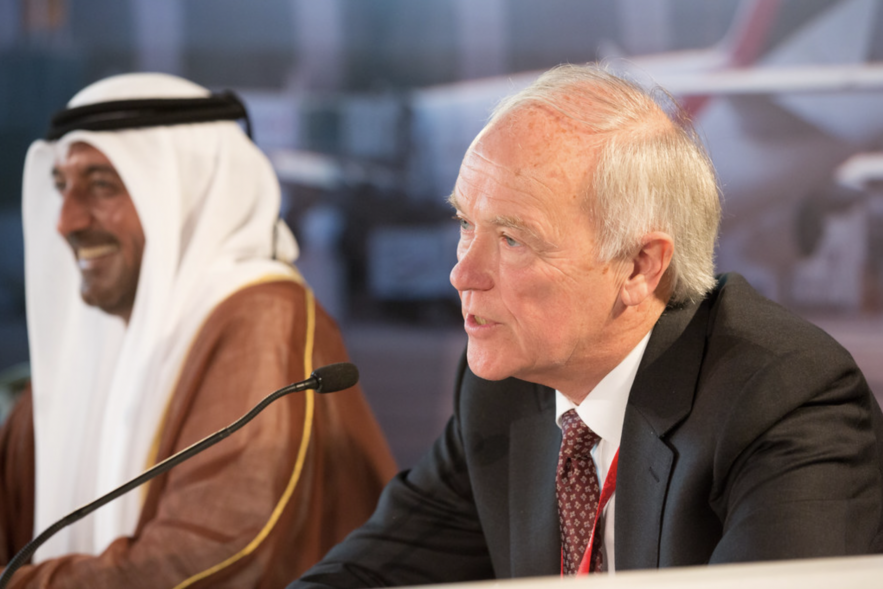
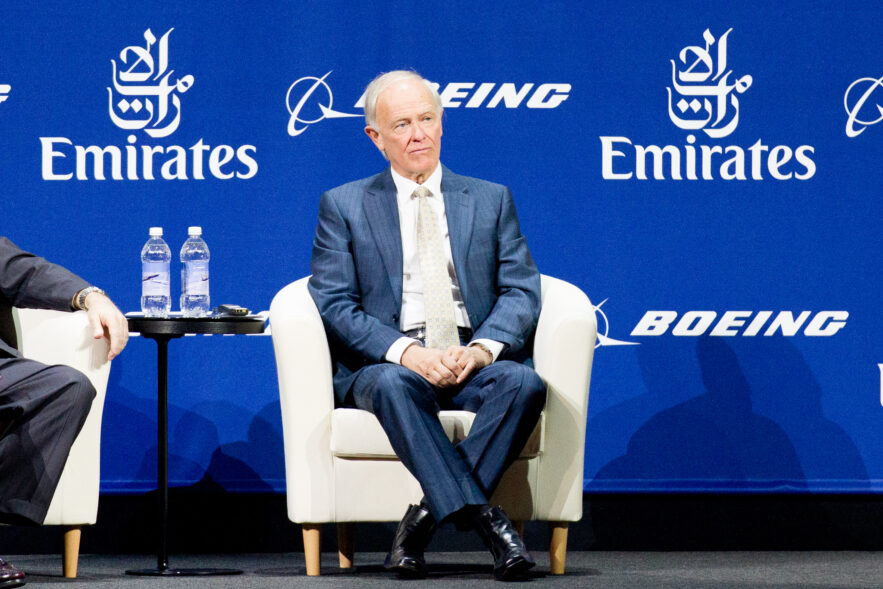
Globalization, technology and crippling debt will shape the future of flying after COVID-19, says longtime Emirates airline president Sir Tim Clark.
“The wake up call of the Max was something that told them that all was not right.”
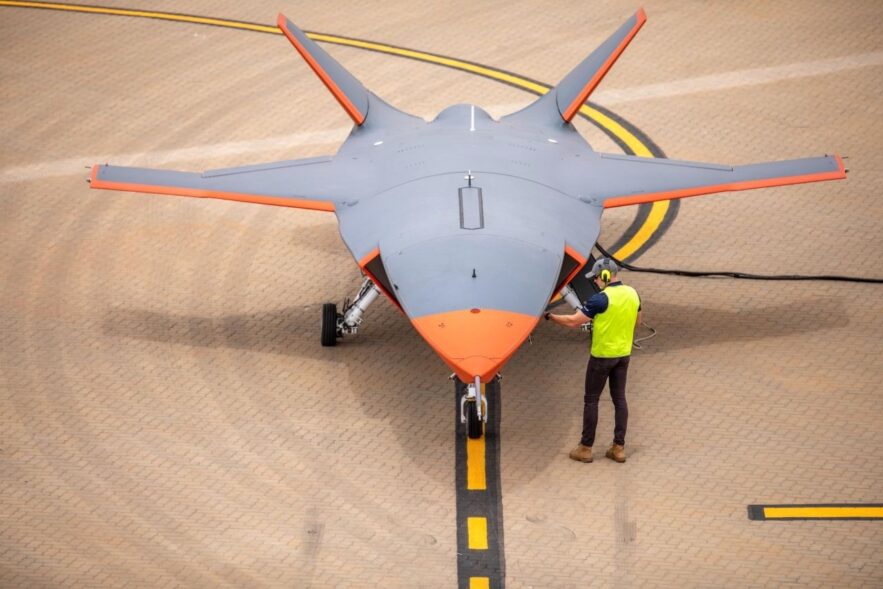
The pull back in commercial jetliner development makes the maturation of its model-based digital tools on the Defense & Space side of Boeing even more important.
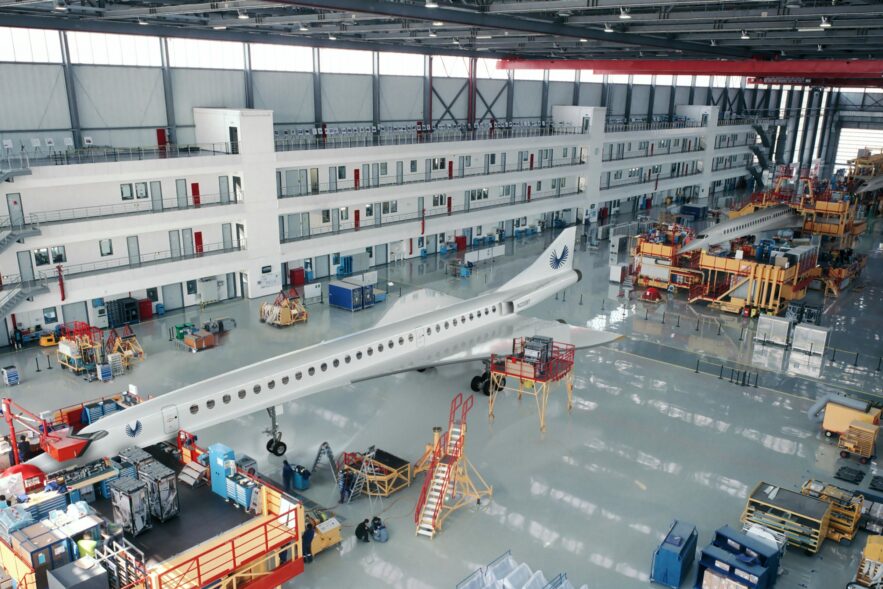
The aerospace newcomers are beginning their transition from ambitious start-ups to brick and mortar businesses with products to build and deliver to market.
In an extended interview, Arjan Meijer, Embraer's new Commercial Aviation CEO sat down with The Air Current to discuss what it wants in a partner and its path to a new turboprop.
Pandemic was accelerant, not cause of decision to consolidate 787 final assembly to its North Charleston, S.C. plant.