

Log-in here if you’re already a subscriber
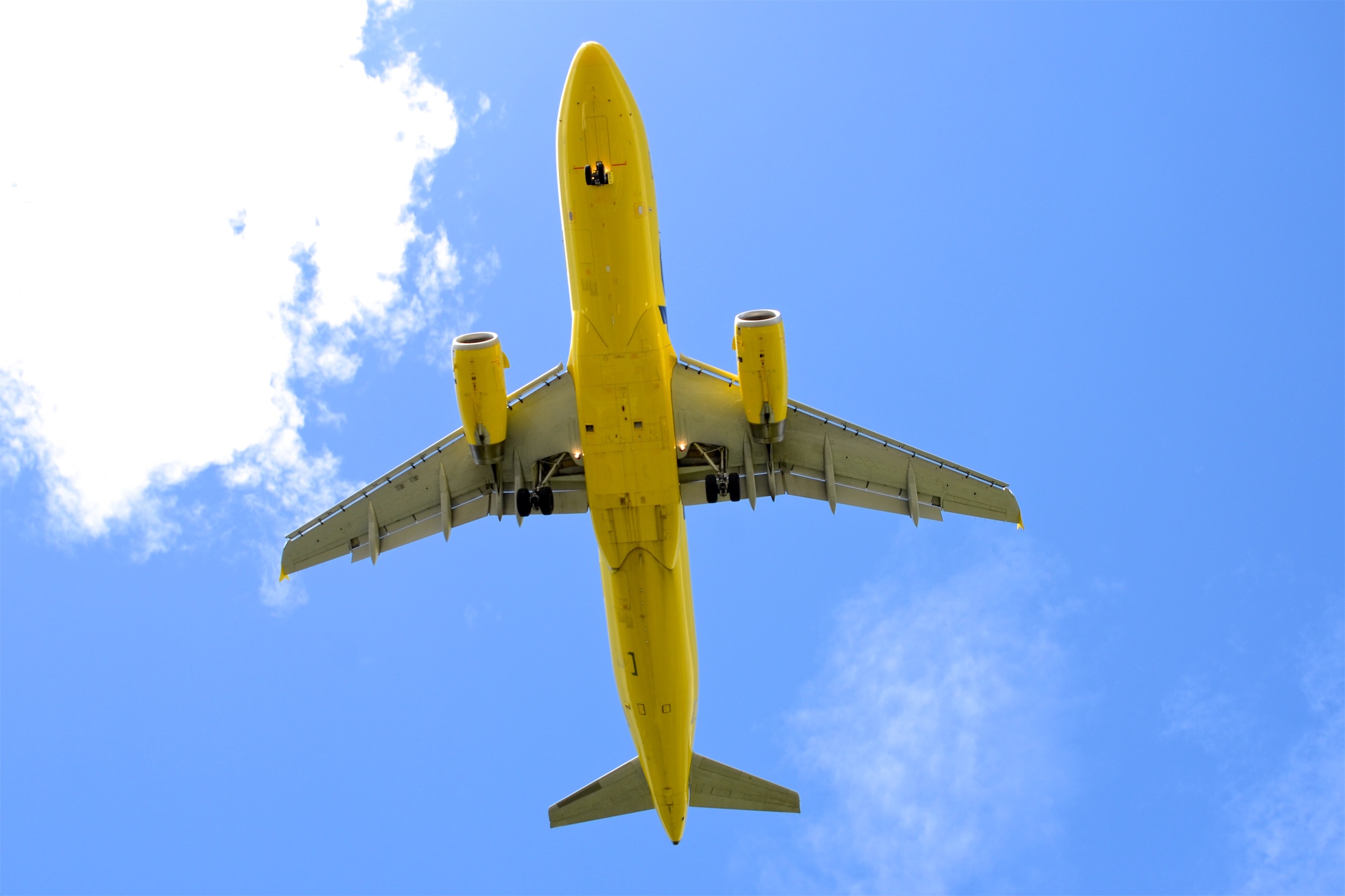
The U.S. airline industry was counting on the death of Spirit Airlines.
That’s not an ideal outcome for the Trump administration, however. With the U.S. midterm elections looming, the White House hopes to avoid a messy liquidation of the Florida-based budget carrier that could come within a matter of days as it runs low on cash. Prospects for a deal are dimming, a person familiar with the talks told The Air Current.
To save the embattled low-cost carrier, the administration has explored a slew of options ranging from a $500 million government bailout to President Donald Trump’s suggestion of purchasing the carrier outright. The White House has also floated a possible merger with Spirit Airlines to several of its competitors — none of whom have been particularly receptive, according to multiple people familiar with the matter.
“The better question is, who haven’t I asked?” Secretary of Transportation Sean Duffy told reporters at an April 27 event in response to a question from TAC about administration overtures.
Related: Spirit Airlines seeks U.S. government aid as oil spike threatens turnaround
The prospect of heavy-handed government intervention to rescue Spirit is deeply unsettling for an industry already grappling with rising fuel prices triggered by the U.S.-Israel war with Iran, according to more than two dozen industry and government officials who spoke with TAC for this story. From larger airlines scouting acquisitions of their own to Spirit’s low-cost competitors seeking their versions of federal relief, the entire industry is staring down both crisis and opportunity.
Spirit’s counsel announced to a New York bankruptcy court on April 23 that the airline was in “advanced discussions” with the U.S. government on a financing package, but that proposal faces backlash from Spirit creditors, as first reported by Bloomberg News. Spirit has yet to file any description of the proposed funding with the court and on April 29 canceled a bankruptcy court hearing slated for Thursday, citing ongoing conversations with its unsecured creditors and lenders on the potential aid.
In the eyes of its competitors, Spirit is worth more dead than alive — and the White House is running out of time, and options, to save it.
Searching for a buyer
Spirit has not turned a profit since 2019, and has shrunk its fleet and workforce over the course of two bankruptcies filed since a proposed merger with JetBlue Airways fell apart in January 2024. At a bankruptcy hearing last week, airline officials said the company is expected to run out of operating cash in a matter of days.
The fall of the beleaguered low-cost carrier was expected to offer relief for the industry. Spirit exiting the U.S. market would cede valuable flying from the south Florida market and precious space at Newark Airport. All told, Spirit’s demise would remove about 1.8 million seats scheduled for May (or around 2% of U.S. scheduled airline capacity), according to Cirium’s Diio, which would tip supply in favor of the remaining airlines, allowing them to raise fares.
Attempting to throw a lifeline to the Fort Lauderdale-based airline, the Trump administration has approached a number of airlines — including JetBlue Airways — to pitch a potential merger with Spirit without success, sources said. A deal with JetBlue would have resurrected an acquisition blocked by former President Joe Biden, an action the Trump administration has blamed for Spirit’s continued decline.
Providing an orderly transition of Spirit’s assets and employees would grant Trump both a political and an economic victory ahead of the November midterm elections with an affordability crisis at the forefront of voters’ minds.

A White House spokesperson declined to comment. Neither Spirit nor JetBlue immediately responded to requests for comment.
In 2022, JetBlue won out over Frontier Airlines in an intense bidding war for Spirit, striking a $3.8 billion deal to absorb the Florida-based carrier. President Biden’s Department of Justice sued to block the deal, citing antitrust concerns, and it was ultimately struck down by a federal judge in 2024. The carriers terminated their effort to merge shortly after.
Related: Half a billion dollars later, JetBlue-Spirit is over and its competitors stronger
JetBlue has expanded significantly in Fort Lauderdale, Spirit’s home base, as its former merger partner floundered. The New York-based airline is now the dominant carrier there, having found a receptive market for its blend of perks and attractive pricing, executives said during an April 28 earnings call.
“You know, even in the situation where there is a potential Spirit bailout, we’re going to continue to execute our Fort Lauderdale strategy,” said JetBlue CEO Joanna Geraghty. “Customers are clearly picking JetBlue because it’s a better product, a better service, and we’re going to fly — they’re not afraid flights are going to get canceled.”
JetBlue leadership is loath to be a suitor for Spirit and has resisted any recent overture from the struggling carrier. But several senior leaders familiar with JetBlue’s thinking told TAC the airline would consider intervening with some form of low-cost government financing to support the merger, a prospect that would likely be unpopular for the White House and Congress.
The broader low-cost airline industry, meanwhile, is actively pursuing government relief. Last week, the Association of Value Airlines (AVA) penned a letter to Transportation Secretary Sean Duffy asking for $2.5 billion in federal assistance to bridge the gap between today’s sky-high fuel prices and the carriers’ lower predictions from last year that have informed their business decisions, the organization said in an April 27 statement. (AVA represents Spirit, Frontier Airlines, Avelo Airlines, Sun Country Airlines and Allegiant Air.)
TAC understands that the $2.5 billion “pool” of money includes relief for Spirit’s fuel costs alongside the other AVA carriers, but does not include assistance for any other expenses.
A letter sent to Duffy detailing the relief effort which was reviewed by TAC proposes that carriers would award warrants to the government that could be exchanged for equity stakes in their businesses based on 2.5% of the amount drawn from the $2.5 billion available assistance pool. (If a carrier draws $800 million, the government would receive $20 million in warrants.)
“You [Duffy] encouraged our group to think broadly about the scope and types of relief amidst an extraordinary fuel cost environment that would support our continued ability to provide affordable air travel,” wrote Jonathon Freye, AVA’s executive director, in the letter presenting the group’s proposal.

Freye declined to comment for this story, referring TAC to the April 27 statement.
Officials with whom TAC spoke weren’t aware of any such program being actively stood up by the administration. “We gotta see what the requests are, get their information, have them make the pitch, have them make the sell,” Duffy told reporters at an April 27 event. “We’ll see.”
Airlines for America, which represents many larger carriers including United Airlines, American Airlines, Delta Air Lines and JetBlue, told TAC it is not considering asking for a similar relief program.
Many carriers are quietly considering how a Spirit rescue plan could harm the rest of the industry as it creates seemingly arbitrary criteria for federal relief. Should the Trump administration move forward with a bailout, it will immediately face the difficult decision of whether or not to support the rest of the airline industry.
“The government can’t give something to Spirit and not to the rest of us,” a senior airline executive told TAC. “What’s so unique about Spirit?”
Political motivations
The administration has said the primary reason for its support of the airline is to protect Spirit’s employees. Labor unions say the airline is responsible for as many as 19,000 people, including contractors and furloughed employees, though the airline’s most recent annual financial report cites about 9,500 people on its direct payroll. (President Donald Trump publicly said Spirit has 14,000 employees.)
Several airline officials who spoke with TAC opined on the near-term political realities of a Spirit deal that may be driving the Trump administration’s thinking: avoiding, by whatever means necessary, the loss of a sizable Florida-based business ahead of crucial midterm elections — a loss that would likely be attributed to an international conflict started by the administration.
With the political stakes high, the administration is considering a government bailout that would see U.S. taxpayers provide $500 million in support while granting the government warrants to purchase as much as a 90% stake in the carrier.
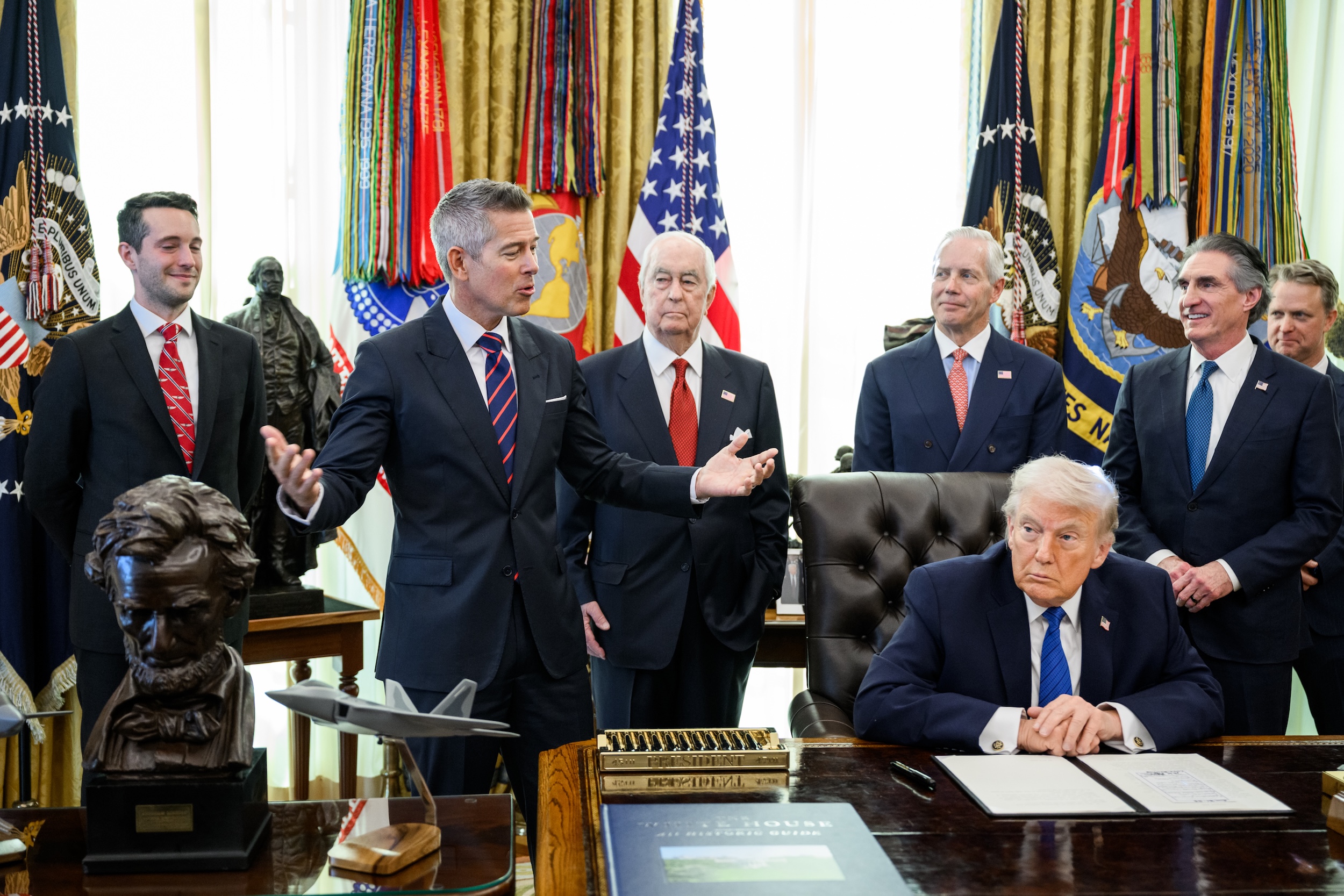
Trump, who briefly owned an airline in the 1980s and early 1990s, is closely involved in the bailout efforts, even musing to reporters in the Oval Office that the U.S. government might purchase Spirit outright.
“We’re thinking about doing it, helping them out, meaning bailing them out or buying it. We might just buy it,” Trump said on April 23. “We’d be getting it virtually debt-free, they have some good aircraft, some good assets. And when the price of oil goes down, we’ll sell it for a profit. I’d love to be able to save those jobs, I’d love to be able to save an airline.”
The prospect of the U.S. government intervening to save one of the airline industry’s weakest players has generated backlash from the business community and lawmakers on both sides of the aisle. Some larger airlines mulling consolidation plays worry they might face pressure from the Oval Office to rescue Spirit as a condition for their own deals, a senior leader said.
“Whether you’re in the aviation industry or a bystander, you’d have to be divorced from any knowledge of aviation or economics to think this is a good idea,” Richard Aboulafia, managing director at AeroDynamic Advisory, told TAC, referring to the potential government bailout.
Sen. Ted Cruz, Republican of Texas and chair of the Senate Commerce Committee, called the prospect of a deal “absolutely terrible.” Mike Pence, former vice president during Trump’s first term, said the move was a “bad idea,” and the Wall Street Journal on April 24 ran a front-page editorial claiming there was “no economic justification” for a bailout.
Over the last 18 months, airlines broadly have felt that the Trump administration is more empathetic to their cause and desire for a friendly regulatory environment than its predecessor. Most airlines opposed the aggressive consumer protection agenda brought on by Transportation Secretary Pete Buttigieg under President Biden and believe that Trump’s team understands the industry better.
Related: Alaska Air-Hawaiian merger becomes vehicle for Biden Administration policy goals
Multiple C-level U.S. airline executives tell TAC that they believe there is a finite window of opportunity for industry consolidation, riding a wave with an aviation-friendly president’s remaining 32 months in office along with a Justice Department inclined to let airlines do what they want — including merging.
“You have a DOT Secretary, FAA administrator, and a President of the United States that [love] airlines, want to create opportunity, knows the value that airlines bring, both economically, but most importantly, to the customer,” A4A CEO Chris Sununu told TAC in February, calling the administration’s stance on airlines “an immense gift.”
That’s a 180-degree pivot from the Biden administration, which actively challenged merger attempts and strategic tie-ups in an attempt to right the perceived mistakes of the 2008 to 2016 period that created the big four airlines under the Obama Administration.
“And I say that not just because I’ve been on the job for four months, but because I have nine CEOs that say ‘this is great,’” Sununu said.
How the model broke
Spirit had a successful business model until it didn’t. The ultra-low-cost carrier’s growth was underpinned by low interest rates for acquiring high-density aircraft, low labor costs and a once-obsessive focus on corporate austerity. But the U.S. majors starting with Delta Air Lines in 2012 introduced basic economy fares, matching Spirit’s just-the-seat prices. By the end of the decade, all the major carriers had a barebones offering that often included a better cabin experience and schedule options.
Coming out of the pandemic, major carriers shifted their strategies. As demand roared back, regional jets were replaced in favor of larger 737 Max 8s, Max 9s and A321neos equipped with more basic economy seats, allowing the majors to compete head-to-head with LCCs. The regional carriers never recovered their share of capacity, which is still 8.3% below March 2019 levels, according to Cirium’s Diio.
The post-pandemic recovery brought what United’s Scott Kirby calls “cost convergence.” Steep inflation, a jump in cabin and flight crew wages as well as an explosion in engine maintenance costs and recalls all forced Spirit’s spending ever closer to the legacy carriers. That was exacerbated by rising passenger enplanement costs passed onto airlines as the U.S. caught up on long-overdue terminal infrastructure modernization. These costs aren’t unique to Spirit, the difference was that legacy carriers were able to lean heavily on their lucrative loyalty programs, global networks and “premiumization” to cover those rising costs, made possible by ever larger single-aisle airplanes.
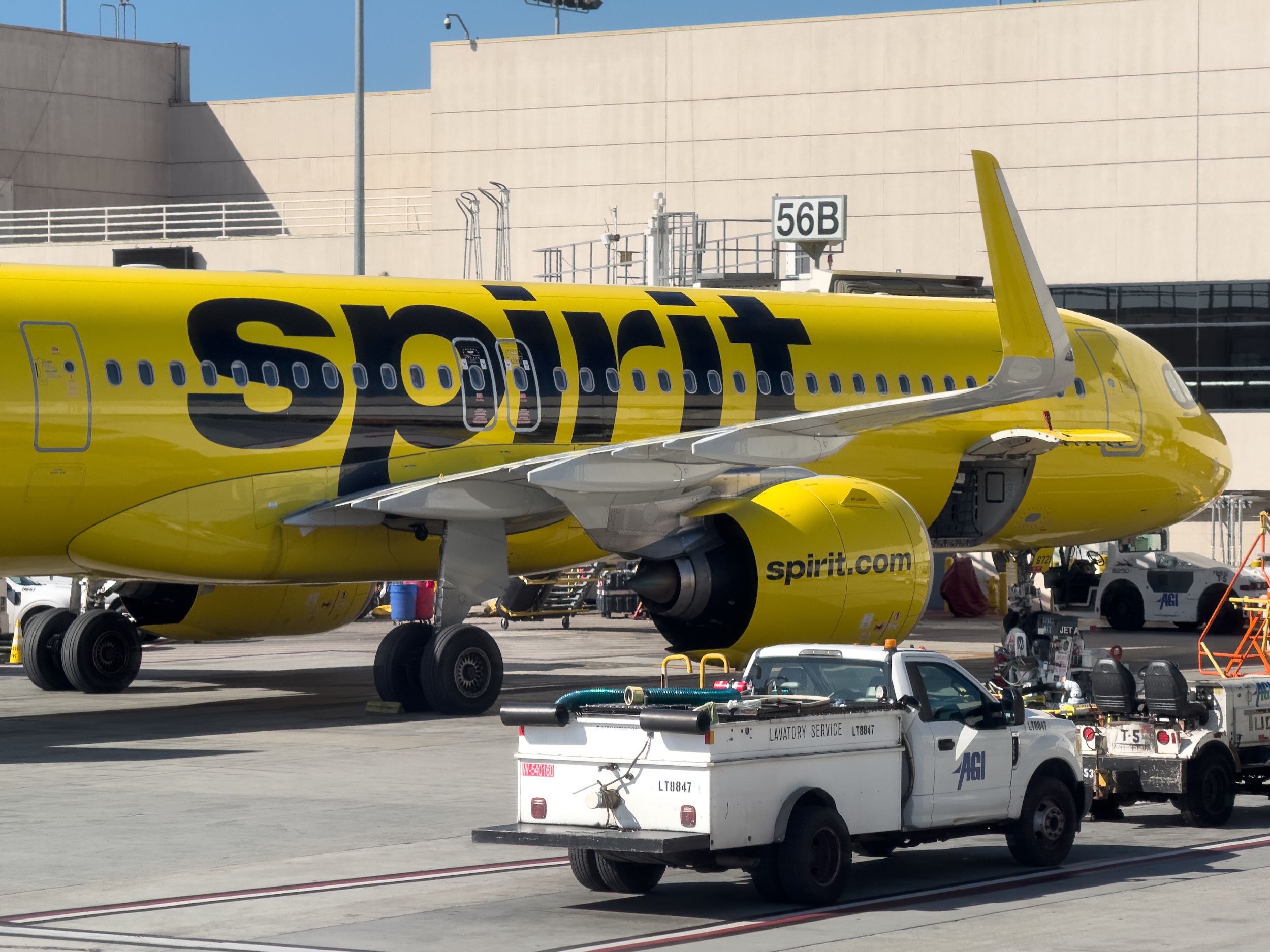
In the end, those dynamics stressed the price-sensitive flyers LCCs needed most. The biggest carriers could beat Spirit’s fully-loaded costs on the back of the marginal cost of making basic economy seats available on a bigger airplane, and they used their scale to bludgeon Spirit and oversupply the market.
In a March 13 bankruptcy filing, Spirit wrote that basic economy at the legacy carriers is “to the point that their aggregate offering of a [ULCC-style] product is now significantly larger than the entire ULCC segment itself.”
Spirit today has shrunk its fleet from 220 jets before its first bankruptcy to about 80 aircraft, all older-generation A320ceo aircraft that burn 15% more fuel than Airbus’s contemporary models. (By comparison, American Airlines has more than 1,000.) The airline has pared its capacity significantly, with just over 9,300 flights scheduled in May 2026 compared to about three times that at its peak in 2025.
“They are a blip,” a senior airline official told TAC, referring to Spirit. “Everyone is ready to pick up the pieces.”
Write to Will Guisbond at will@theaircurrent.com, Julie Johnsson at julie@theaircurrent.com and Jon Ostrower at jon@theaircurrent.com
Subscribe to continue reading...Subscribe to The Air Current
Our award-winning aerospace reporting combines the highest standards of journalism with the level of technical detail and rigor expected by a sophisticated industry audience.
- Exclusive reporting and analysis on the strategy and technology of flying
- Full access to our archive of industry intelligence
- We respect your time; everything we publish earns your attention