
Log-in here if you’re already a subscriber
Air safety reporting is made accessible without a subscription as a public service. Subscribe to The Air Current for full access to our scoops, in-depth reporting and industry analysis.

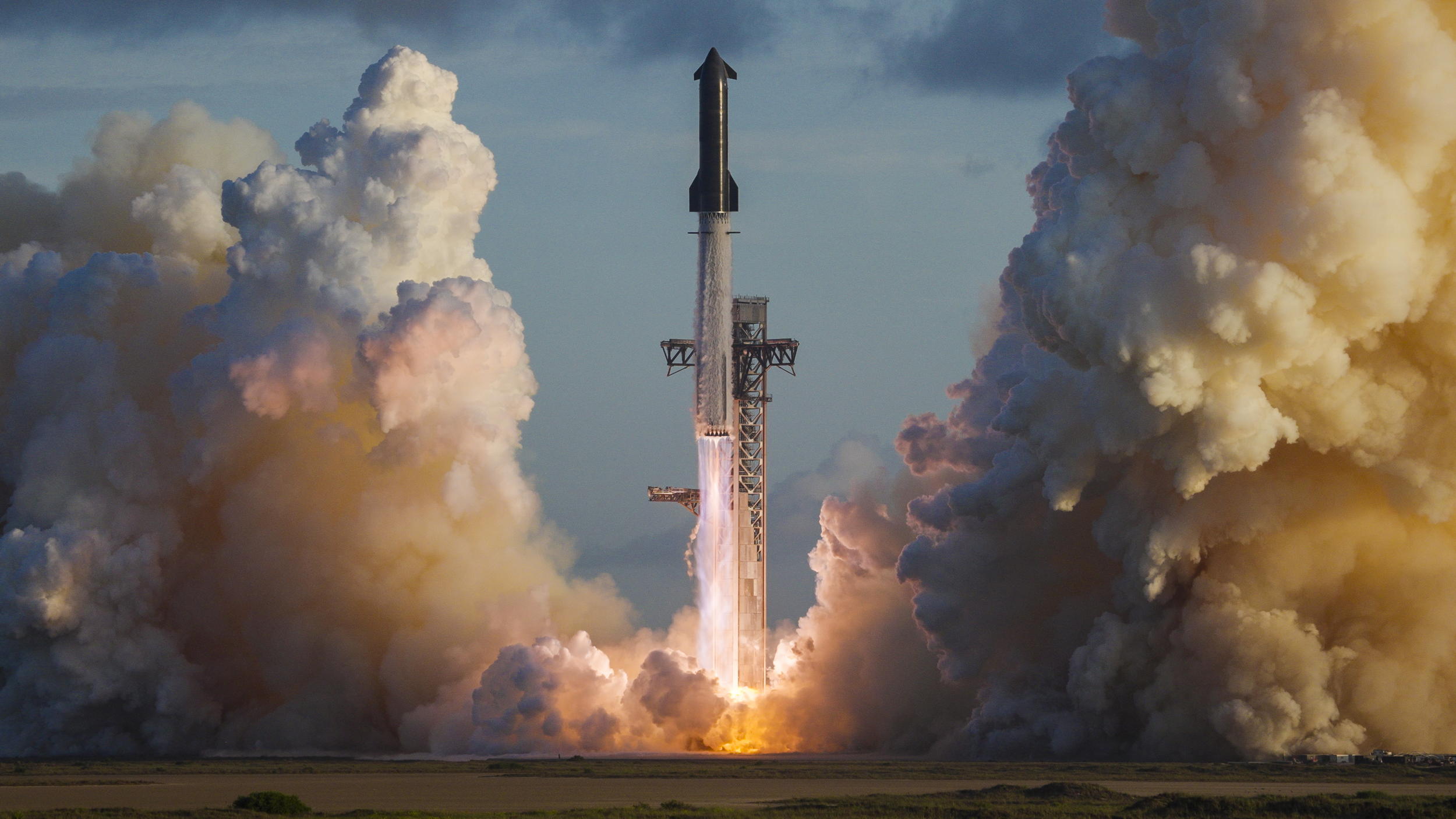
Four days before SpaceX listed on the Nasdaq in the largest-ever initial public offering, the U.S. Federal Aviation Administration quietly changed its safety policy to allow more aircraft to fly through airspace where they are at higher risk of a catastrophic accident due to falling space debris.
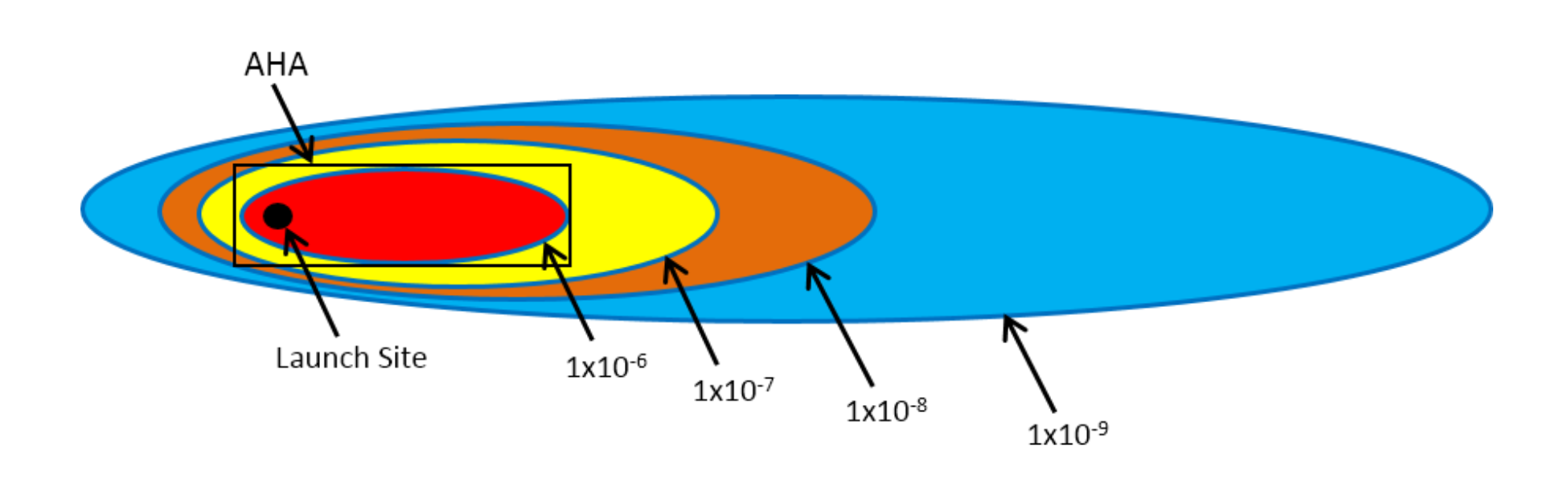
The FAA previously allowed no more than a few thousand aircraft per year to transit the outer portions of aircraft hazard areas identified in advance of each launch and re-entry operation — airspace where they face more risk than the agency’s Air Traffic Organization would normally tolerate. By capping this number at 6,412 aircraft per 12-month period, the FAA had maintained 95% confidence that no fatal accident due to falling space debris associated with a launch or re-entry operation would occur in 80 years.
No aircraft were allowed to transit the most hazardous portions of these zones, and that has not changed. But in a June 8 memo, the FAA’s Executive Safety Council removed the rolling limit that previously served as a cornerstone of its acceptable level of risk (ALR) policy, raising questions about whether the odds of a fatal accident will rise as SpaceX and its competitors increase their launch tempo.
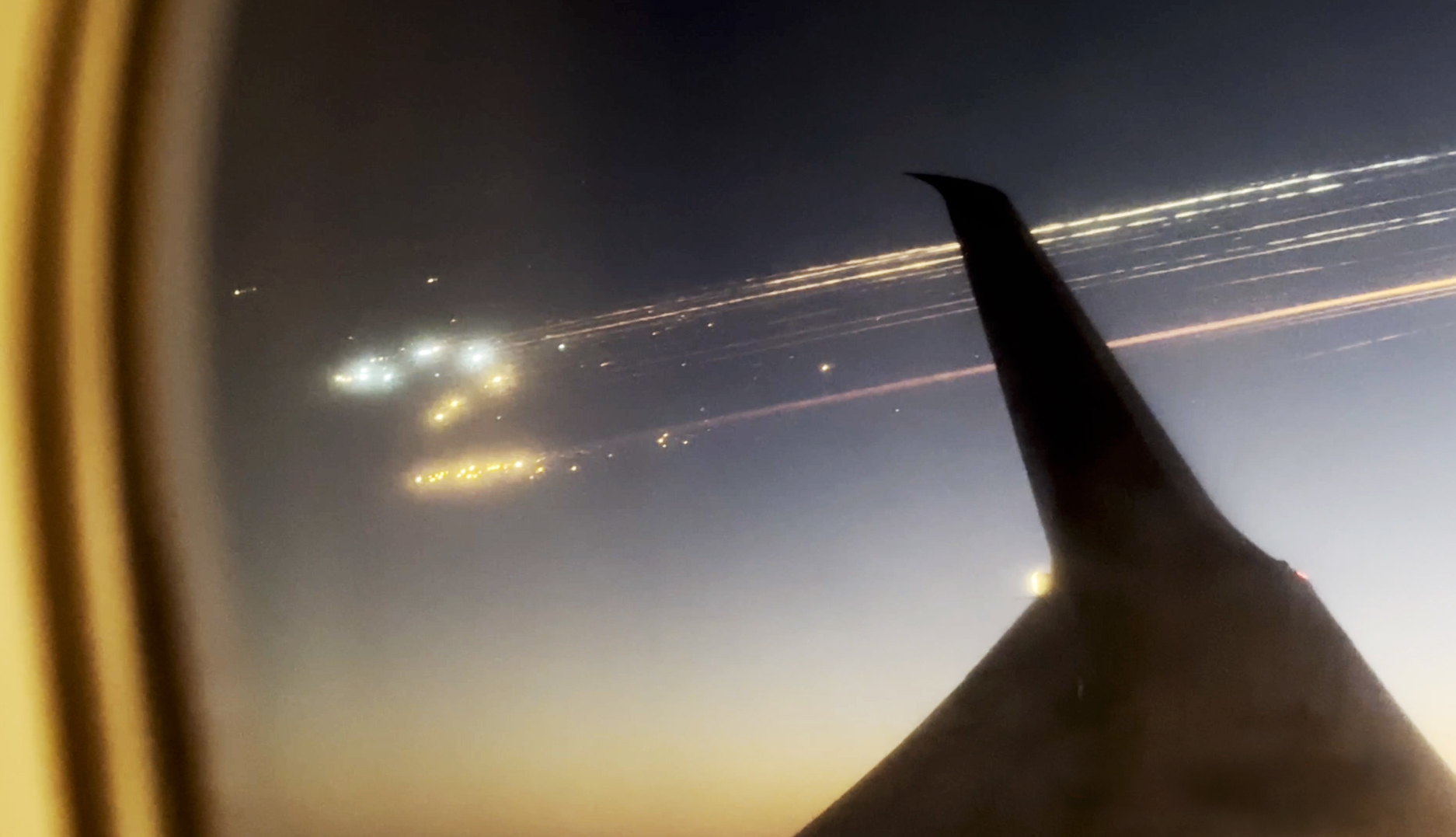
The FAA’s revision comes as SpaceX plots an unprecedented cadence for its super-heavy Starship rocket — as many as 10,000 blast-offs per year by 2030, if CEO Elon Musk has his way. The company made progress towards this goal on Sept. 28 when Starship 14 successfully reached orbit for the first time. But previous launches starkly illustrated the potential hazards to aircraft, as when the explosion of Starship 7 last year sent debris streaking across the Caribbean sky, prompting a scramble to re-route flights that resulted in three aircraft declaring fuel emergencies.
The FAA has not yet come close to bumping against the now-removed limit — so far reaching only around 30% of the maximum allowable exposures — but was on track to do so in the coming years. Agency officials previously estimated that the limit could be reached at a launch tempo of 640 operations per year. The Trump Administration in August set a target of 1,000 launch and re-entry operations per year by 2030, while stock analysts and investors in SpaceX are expecting an even higher cadence.
The FAA’s decision to adopt a lower safety standard without consulting with airlines or the flying public troubles members of the Air Line Pilots Association, International (ALPA). The union represents about 80,000 airline pilots who are generally not told when they are flying through areas where they face an elevated risk from space debris.
“We’re against reducing safety standards as a mechanism for airspace integration,” Steve Jangelis, ALPA’s aviation safety chair, told The Air Current in an interview. He argued that the FAA should instead pursue more innovative airspace safety mechanisms, some of which are already in development, to manage the risk to aircraft from new entrants like SpaceX.
“Innovation must be met with innovation. Integrating the airspace by reducing safety standards will only result in accidents,” Jangelis said.
The FAA contends that its new policy, which will be implemented over the next 12 months, provides an adequate level of safety that is aligned with the regulations governing commercial space operations.
“FAA safety experts reviewed the data and determined the changes will maintain a safe airspace environment for aircraft during space operations,” the agency told TAC. As for the timing of the memo, a spokesperson said, “The FAA does not make safety decisions based on a company’s IPO.”
SpaceX did not respond to requests for comment.
Putting a number on risk
Central to the debate around the FAA’s ALR policy is the 10-9 target level of safety long established for commercial aviation — an objective of no more than one catastrophic accident per billion flight hours. With the removal of its rolling limit for aircraft exposures, the FAA will accept a probability of an accident due to space debris up to 10-6, or one in a million, which is three orders of magnitude greater.
As TAC explained in a 2023 special report, the 10-9 numerical safety target has become a pillar of airliner certification because it drives aircraft designers toward a rigorous engineering approach aimed at practically eliminating all foreseeable ways in which an aircraft can fail.
It is not a mathematical guarantee of the probability of a catastrophic accident in service, and the analyses used to comply with this standard may be flawed.
Nevertheless, the overall success of the standard in driving reliable and redundant system architectures is widely accepted. As commercial aviation has grown into an enormous worldwide industry, the need for the highest safety standards has become self-reinforcing: with the industry logging close to 40 million flights per year, a predictable risk of one catastrophic accident every million flight hours — the 10-6 standard — would result in such a high number of crashes that it could threaten the airline industry’s viability.
Although the 10-9 standard is most commonly associated with aircraft certification, the FAA’s Air Traffic Organization has also embraced it as its safety standard for commercial aviation as a matter of policy.
However, the Office of Commercial Space Transportation works within a regulatory framework that specifies much lower safety standards. Under 14 Code of Federal Regulations Part 450, the probability of debris causing a casualty (death or serious injury) on board an aircraft must not exceed 10-6 per launch or re-entry operation. The collective risk of a casualty for members of the public on the ground can be as high as 10-4 — one in a thousand — while the risk to all neighboring operations personnel can be as high as two in a thousand.
These discrepant standards reflect different expectations for safety in the commercial aviation and space industries. Members of the public typically hold airlines to a much higher safety standard than other forms of transportation, with relatively rare fatal airliner crashes receiving disproportionate attention from media and lawmakers. By contrast, space transport is still generally perceived as a high-risk endeavor and astronauts are lauded for their bravery.
In 2017, as commercial space activity was ramping up in the national airspace system (NAS), the FAA convened a safety risk management panel to address the disparities in the two standards, which resulted in the previous ALR policy.
The FAA acknowledged that some flights would face higher individual risks by transiting through the contours of an aircraft hazard area where the risk of an accident due to space debris was calculated to be 10-7 or 10-8.
However, “by limiting the number of flights exposed to an individual risk level that exceeds the ATO’s existing standard of 1×10⁻⁹, the collective risk limit ensures with high confidence that no fatal accident will occur in an average human lifespan,” the FAA said in an order that explained the policy.
Following a six-month evaluation period, the FAA opted in late 2017 to implement the ALR policy “until NAS infrastructure, policies, and procedures are updated to fully integrate these space missions” at a level of safety consistent with existing standards, according to the order. There was no defined end date for ALR.
From dozens of launches to thousands
In 2018, the first full year after the ALR policy was adopted, the FAA licensed 33 commercial space launches, of which 19 were for SpaceX, according to agency data. Last year, it licensed 199 launches, 161 of them for SpaceX.
Five of those 2025 launches involved SpaceX’s Starship, the super heavy-lift launch vehicle intended as a successor to the company’s Falcon 9 and Falcon Heavy rockets. Three of those Starship launches broke up in flight, including Starship 7 on Jan. 16, 2025.
The Starship 7 explosion triggered the activation of debris response areas (DRA) — temporary exclusion zones beyond the predetermined aircraft hazard areas that air traffic controllers direct flights to avoid. According to ProPublica, there were at least 11 planes in the DRA when the explosion occurred. The Wall Street Journal reported that three flights declared fuel emergencies and transited through the no-fly zone because they otherwise risked running low on fuel over water.
The incident did not dampen the Trump Administration’s support for the commercial space industry. In August 2025, President Donald Trump issued an executive order announcing that the federal government would streamline commercial license and permit approvals for U.S.-based operators like SpaceX.
To support that White House initiative, the FAA in July issued a notice of proposed rulemaking that would waive many of the environmental reviews currently required for space licenses.
In August, Trump also issued a presidential memorandum prioritizing the development of launch pads and other infrastructure needed to support a cadence of nearly three space operations per day. “By 2030, our space transportation ranges must grow to support more than 1,000 launches and reentries every year,” the memo states. That is far more than the FAA predicted in its Aerospace Forecast for 2026–2046, which anticipates a steady ramp-up to a maximum of 507 space operations in 2036.
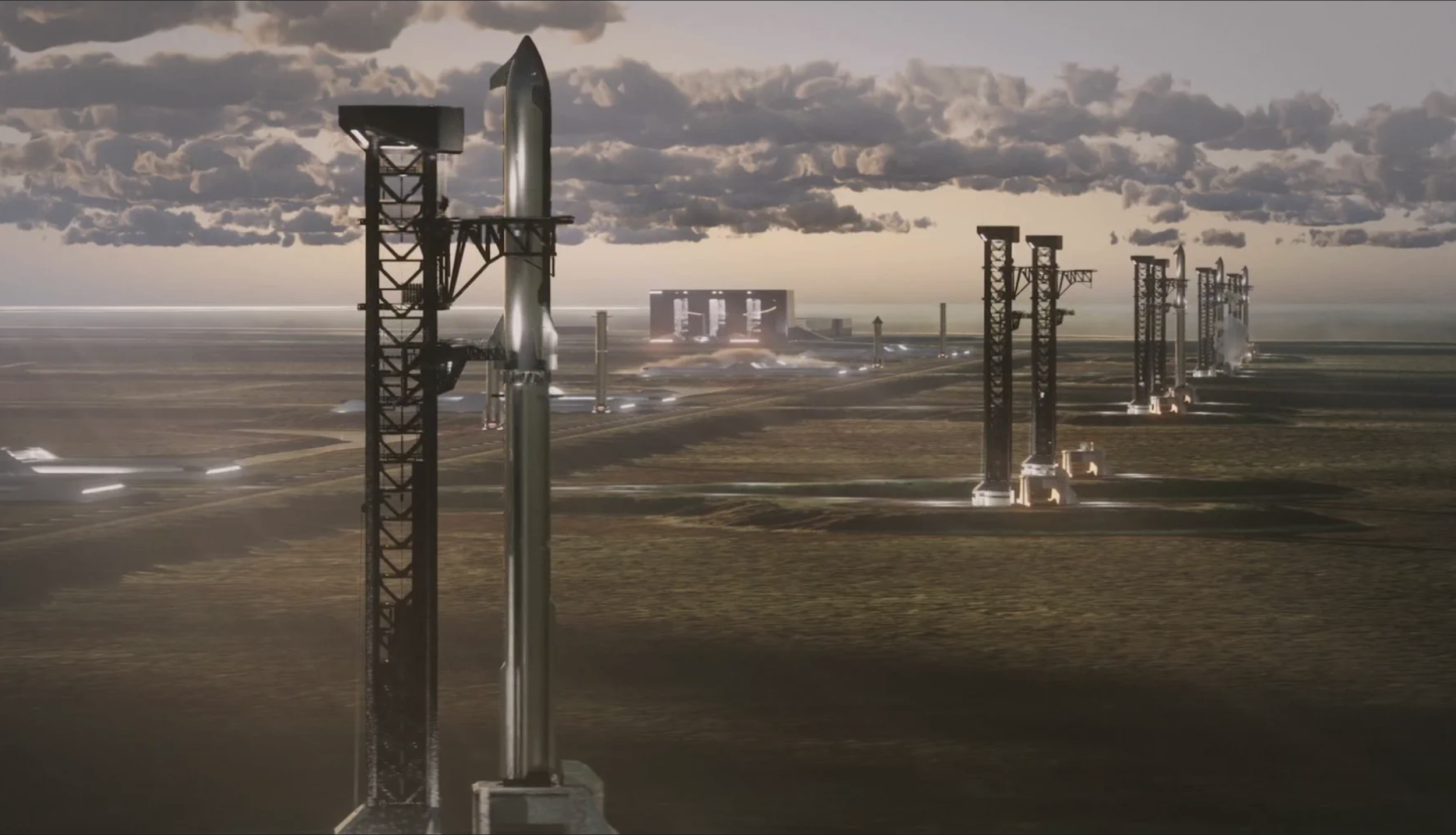
SpaceX is ultimately counting on thousands of Starship launches per year to realize its ambitions for the Starlink satellite constellation, orbital data centers and human travel to the moon and deep space. The company significantly advanced those objectives with the successful orbital flight of Starship 14, which deployed 26 of its latest-generation Starlink satellites.
The achievement boosted SpaceX’s stock and won praise from analysts, whose forecasts generally assume the company will succeed in rapidly increasing its launch tempo. CEO Elon Musk has said the company is aiming to reach around 10,000 Starship launches per year in 2030, which he described as “still tiny numbers compared to airplane flights!”
In a July 7 report initiating coverage of SpaceX, J.P. Morgan analysts observed that “frequent Starship launches are central to SpaceX’s future” and that “any delays, technical setbacks, or regulatory hurdles that constrain the launch trajectory will impede planned growth across multiple business lines.”
“It seems unlikely to us that regulators’ launch limitations will be a major long-term impediment to the Starship launch cadence, especially if NASA may be seeking hundreds of launches to drive the establishment of infrastructure on the moon,” they wrote. “Nevertheless, SpaceX will need progressively higher launch caps and any accidents could stand in the way, along with any friction with regulators.”
Direction from the top
The FAA publicly revealed the changes to its ALR policy for space operations in the Sept. 15 order that establishes the policy and requirements for its safety management system, intended to “improve the FAA’s ability to proactively identify hazards and manage risk at the enterprise level.”
An appendix focused on space transport confirms that the ALR policy changed to remove the rolling limit on aircraft exposures as a result of a June 8 Executive Safety Council memorandum, “Decision on Safety Standards for Commercial Space.” The FAA declined to share a copy of the memo with TAC.
The new safety management order says the agency will continue to define 10-7 and 10-8 risk contours for aircraft hazard areas and will track how many aircraft fly through them. “The data will be utilized for safety assurance, monitoring, trend analysis, and oversight of space transport operations,” the order states.
It also hints at “new procedures and technologies” that will “increase safety, while improving efficiency related to space operations and reducing the amount of area that will be reserved as safety buffers for [aircraft hazard areas].”
In fact, new airspace management tools are already being rolled out, according to Tanner Furr, ALPA’s commercial space operations subject matter expert. He pointed to the Range Risk Analysis Tool (RRAT), implemented after the Starship 7 explosion, which allows the FAA to better model falling debris and more rapidly reopen airspace that is determined to be clear.
“In all the subsequent launches, the majority of which did fail in some phase of flight, we have had zero airline fuel emergencies that I’m aware of as a result of the debris response area activation,” said Furr. He said ALPA is also collaborating with the FAA on the rollout of a Real Time Hazard Area Generation (RTHAG) tool that will greatly reduce computational times compared to RRAT.
In addition, the FAA is starting to experiment with segmenting aircraft hazard areas, allowing portions of closed airspace to reopen as a rocket moves downrange. Trajectory-based operations — which require aircraft to speed up or slow down to be at certain fixes at specific times — are another approach to ensuring safety that does not require large static airspace closures, he said.
“We’re looking at a very rapid increase in launch cadence occurring soon,” Furr said, “so we have to start thinking about the systems we want to put in place to mitigate risk from those operations.” He reiterated that simply choosing to accept more risk from space operations is a suboptimal solution to airspace integration.
“There’s nothing creative or innovative about reducing a safety standard,” he said.
Julie Johnsson contributed to this article
Write to Elan Head at elan@theaircurrent.com
Subscribe to continue reading...Subscribe to The Air Current
Our award-winning aerospace reporting combines the highest standards of journalism with the level of technical detail and rigor expected by a sophisticated industry audience.
- Exclusive reporting and analysis on the strategy and technology of flying
- Full access to our archive of industry intelligence
- We respect your time; everything we publish earns your attention