
Log-in here if you’re already a subscriber
Air safety reporting is made accessible without a subscription as a public service. Subscribe to The Air Current for full access to our scoops, in-depth reporting and industry analysis.
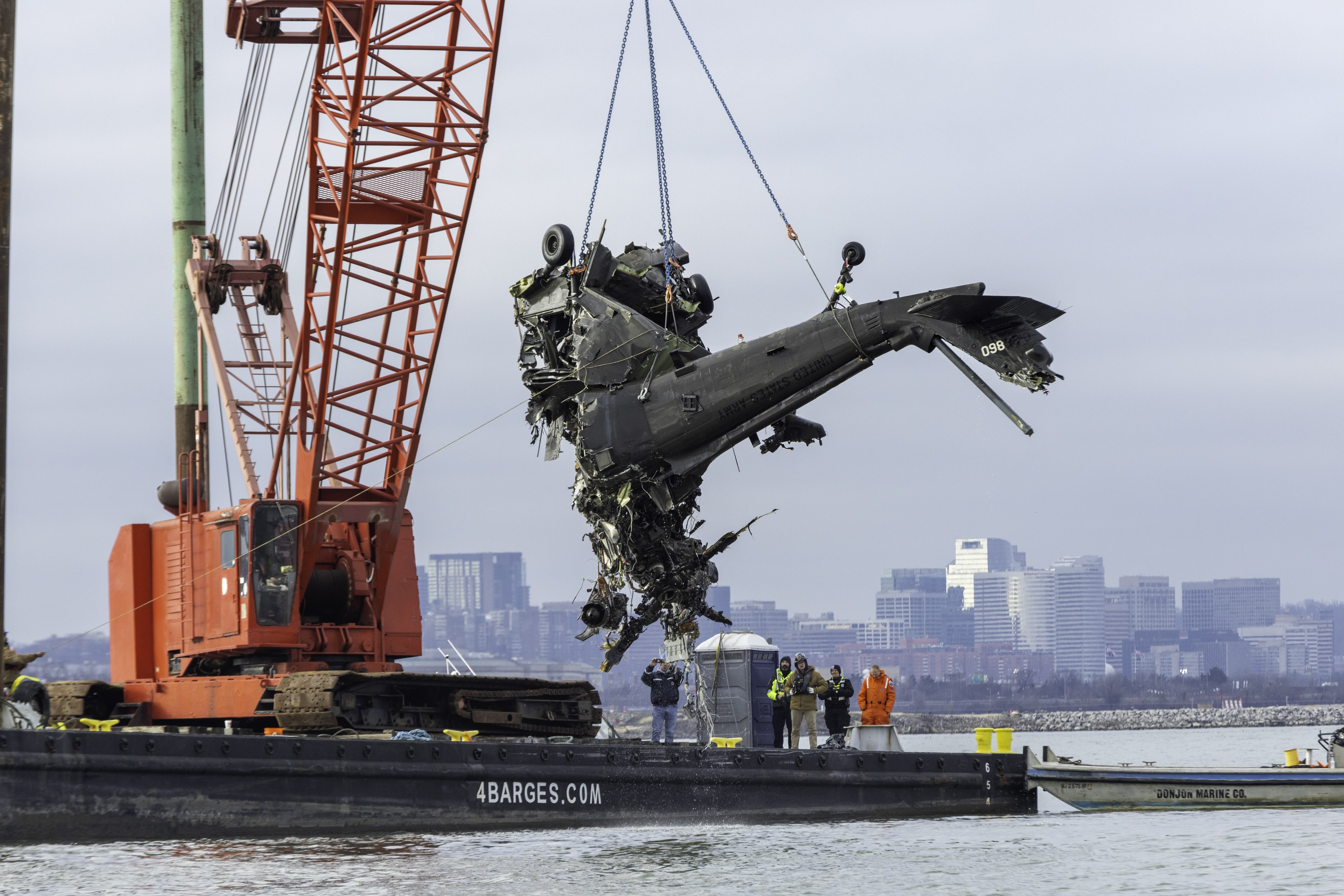
The Federal Aviation Administration detailed for the first time how it is responding to nearly three dozen National Transportation Safety Board recommendations issued in the wake of the January 2025 midair collision near Washington, D.C. that killed 67 people — a crash that exposed systemic failures in how the FAA managed the busy airspace around Ronald Reagan Washington National Airport (DCA).
An FAA spokesperson told The Air Current it has already taken actions to fully address seven recommendations and plans to fully address more than half of them by the end of 2027. However, its responses to the NTSB, which were recorded in official correspondence published on the NTSB’s website on May 18, are vague on how the agency is moving forward to address some recommendations and simply say it will evaluate others. The FAA said it will provide further updates on all of them by May 31, 2027.
The FAA indicated it is evaluating whether the number of arrivals permitted per hour at DCA — a key metric the NTSB said contributed to the airport’s congestion at the time of the crash — is appropriate, but that any adjustments will be determined after an official analysis in 2027.
Related: Special Report: The night everything at DCA finally went wrong
The Department of Transportation and its Office of Inspector General (OIG) also responded to a handful of recommendations directed at them specifically, agreeing to audit the FAA Air Traffic Organization’s safety culture after the board said its investigation found the ATO “does not embrace the principles of open communication, just culture, and continuous improvement inherent to a positive safety culture.” In response to a recommendation to audit the ATO’s safety management system and data sharing activities, the OIG said it plans to initiate an audit of the FAA by September 2026.
This quiet release of the FAA’s official positions follows months of heated debate both internally and on Capitol Hill over how to best respond to the midair crash between an American Eagle CRJ700 and a U.S. Army Black Hawk helicopter. Last week, both family members of the crash victims and NTSB Chair Jennifer Homendy called on Congress to advance a combined version of the U.S. Senate and House’s individual air safety bills, the ROTOR Act and the ALERT Act respectively, before lawmakers leave for recess at the beginning of August.
The FAA was especially vague in its response to a recommendation that would require all aircraft operating in airspace where Automatic Dependent Surveillance-Broadcast (ADS-B) “Out” is required to also be equipped with an ADS-B “In” cockpit display of traffic information — situational awareness technology that is central to both bills, but in markedly different ways. Both the CRJ and the Black Hawk lacked full ADS-B In installs, which may have improved the pilots’ situational picture of surrounding traffic, the NTSB said.
The agency said simply that it “will initiate rulemaking to address equipage and other operating requirements,” adding that “finalization of congressional legislation could dictate timelines or the approach to the development of regulations.”
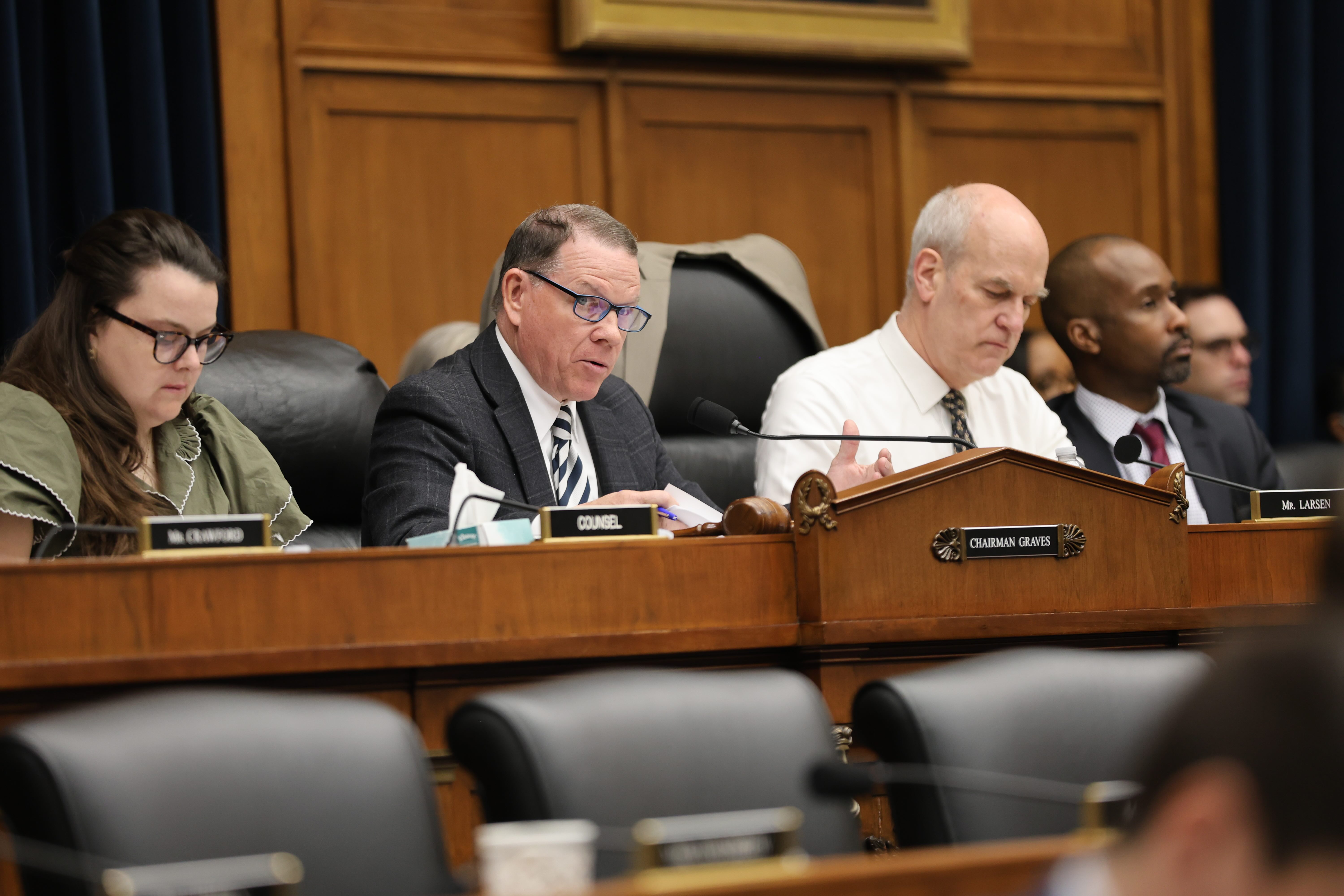
The NTSB has a long history of pressing the FAA to require ADS-B In, only to be rebuffed in the same type of official correspondence that was published on its website Monday. The Board has been actively advocating for an ADS-B In mandate since February 2008, when the FAA was engaged in rulemaking to require only ADS-B Out and only in certain airspace.
In 2021, following its investigation into a 2019 midair collision between two air tour airplanes in Ketchikan, Alaska, the NTSB made several recommendations related to ADS-B, including one that would require ADS-B Out and In airborne traffic advisory systems in all aircraft conducting Part 135 commuter and on-demand operations.
The FAA initially told the NTSB it agreed that such systems “contribute to aviation safety” but focused on voluntary adoption of ADS-B In systems in lieu of rulemaking that could “take several years.” When the NTSB in 2022 responded that it did not believe the FAA’s actions were sufficient, the agency took almost a year and a half to reply: “We determined that our current ADS-B requirements adequately address the needs of aviation safety and will not pursue any additional ADS-B requirements at this time.” The FAA reiterated this statement in 2024 after the NTSB continued to press for a mandate.
In its responses to the D.C. recommendations, the FAA did say it would move to update standards for advanced collision avoidance tools including Traffic Collision Avoidance System (TCAS), which may include revising the altitudes at which those alerts trigger to be more effective around airports. However, it did not commit to requiring aircraft be equipped or retrofitted with the newer version of TCAS, known as Airborne Collision Avoidance System (ACAS) X, until those standards were processed with the appropriate industry stakeholders — meaning years could pass before that system is operational at scale.
The NTSB did not respond to a request for comment in time for publication.
Careful wording
Beyond its noncommittal responses to the NTSB’s recommendations concerning ADS-B and ACAS-X, the FAA provided minimal details on many others, saying simply that it is “reviewing” or “evaluating” the recommendations.
The agency said it is reviewing policies related to the agreed-upon spacing between aircraft at all major U.S. airports and the possibility of combining radio frequencies used by helicopters and fixed-wing aircraft, among others — key factors that impacted congestion at the airport and the situational awareness of the pilots and controllers at the time of the crash. With regard to these recommendations, the FAA did not say whether it would act specifically as the NTSB directed and did not provide timelines for doing so.
Related: The collision avoidance tool that could help prevent the next midair disaster
In response to a recommendation to define objective criteria for the determination of air traffic facility levels based on factors including the cost of living, the FAA deferred to its existing collective bargaining process and said it would conduct another analysis next year to determine whether any adjustments are warranted at DCA. NTSB investigators concluded that DCA’s facility level — which it uses to determine what controllers are paid and how they progress through training — had impacted the tower’s ability to retain the controllers and support staff it needed to manage high volumes of traffic.
The FAA’s correspondence was published on the last day of a 90-day window provided to parties to respond to the board’s recommendations and a day before FAA chief Bryan Bedford is set to testify in front of the U.S. Senate’s aviation subcommittee on his agency’s implementation of the NTSB’s directives.
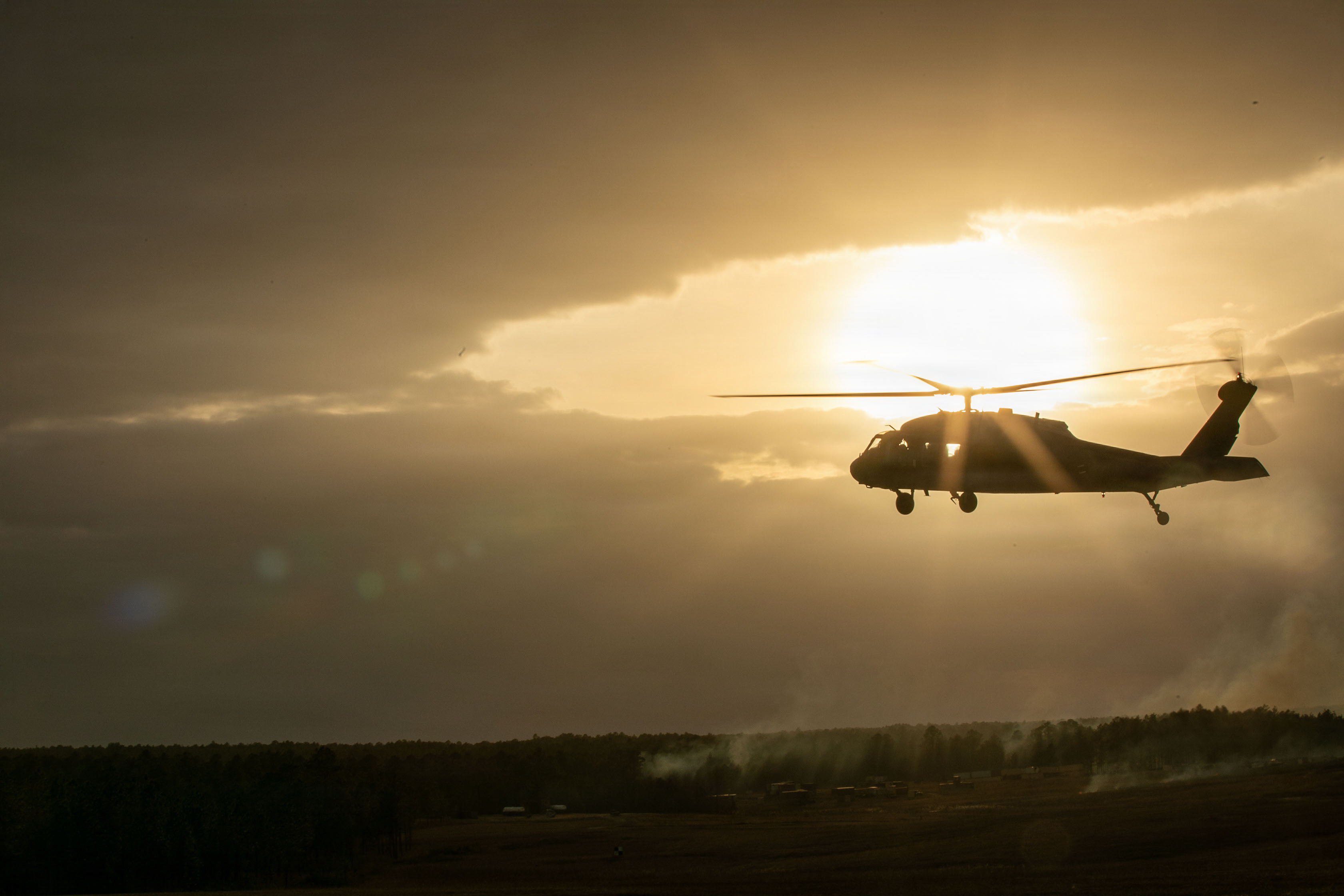
Responses from the U.S. Army, which was the recipient of eight specific recommendations, were published on May 19, with the Army concurring or “concurring with the intent of” all but one recommendation, which relates to the specific structure of its safety organization.
While the NTSB is ultimately the one to determine whether an entity has fully addressed a recommendation to its satisfaction, the FAA did indicate it is largely in agreement with the board on several topics.
The agency said it will “review and enhance” training for air traffic controllers on using the tactic of visual separation and “make greater use of available simulation capabilities to support practical application and decision-making in realistic operational scenarios” that utilize that practice.
The NTSB said in its final report in January that an “overreliance” on visual separation by pilots and controllers contributed to the crash. The FAA has since suspended the use of visual separation between helicopters and fixed-wing aircraft in most controlled airspace.
The FAA also said it is creating new mechanisms for sharing data on near-midair collisions and changing how staff are processed for drug and alcohol testing after accidents occur, something that was not performed correctly after the DCA crash. The agency further said it is “updating” an internal order for how it manages visual routes on helicopter charts after failing to present evidence that it had conducted required annual reviews of helicopter route charts before the crash. An updated order is expected by December 2026.
At the time of the DCA crash, the helicopter route being used by the Black Hawk helicopter overlapped with the path of the CRJ aircraft with just 75 feet of vertical clearance — something the board in its investigation said should have been identified in these required audits, if they had been completed.
The FAA said it completed a comprehensive audit of helicopter route charts in November last year, including charts covering areas around D.C., Boston, Chicago, Dallas, Detroit, Houston, Los Angeles, New York, the Grand Canyon, and the U.S. Gulf Coast. “As a result of this audit, the FAA is currently notifying the facilities of the identified discrepancies, which will lead to the development of local task forces to assess and update the VFR helicopter route charts as needed,” the agency said.
Elan Head contributed to this article.
Editor’s note: A previous version of this story included the FAA’s statement that it had taken steps to fully implement six NTSB recommendations and had plans to fully implement more than half of all recommendations by the end of 2026. A spokesperson said after publication that the agency had taken steps to implement seven, with plans to do so for more than half by the end of 2027.
Write to Will Guisbond at will@theaircurrent.com
Subscribe to continue reading...Subscribe to The Air Current
Our award-winning aerospace reporting combines the highest standards of journalism with the level of technical detail and rigor expected by a sophisticated industry audience.
- Exclusive reporting and analysis on the strategy and technology of flying
- Full access to our archive of industry intelligence
- We respect your time; everything we publish earns your attention