
Log-in here if you’re already a subscriber
ATR may be the world’s sole provider of large turboprops at the moment, yet according to CEO Nathalie Tarnaud Laude, this monopoly status does not translate into significant pricing power with its customer base.
“We are still in a market where we cannot increase massively on pricing, because we have customers who are placed in areas of the world where the elasticity…of the tickets is not that huge,” she said in an interview with The Air Current.
That constraint profoundly informs how new technology has been applied to the continuously-updated ATR, which first flew in 1984, three years before the Airbus A320.
Related: ATR maps out the rest of its decade
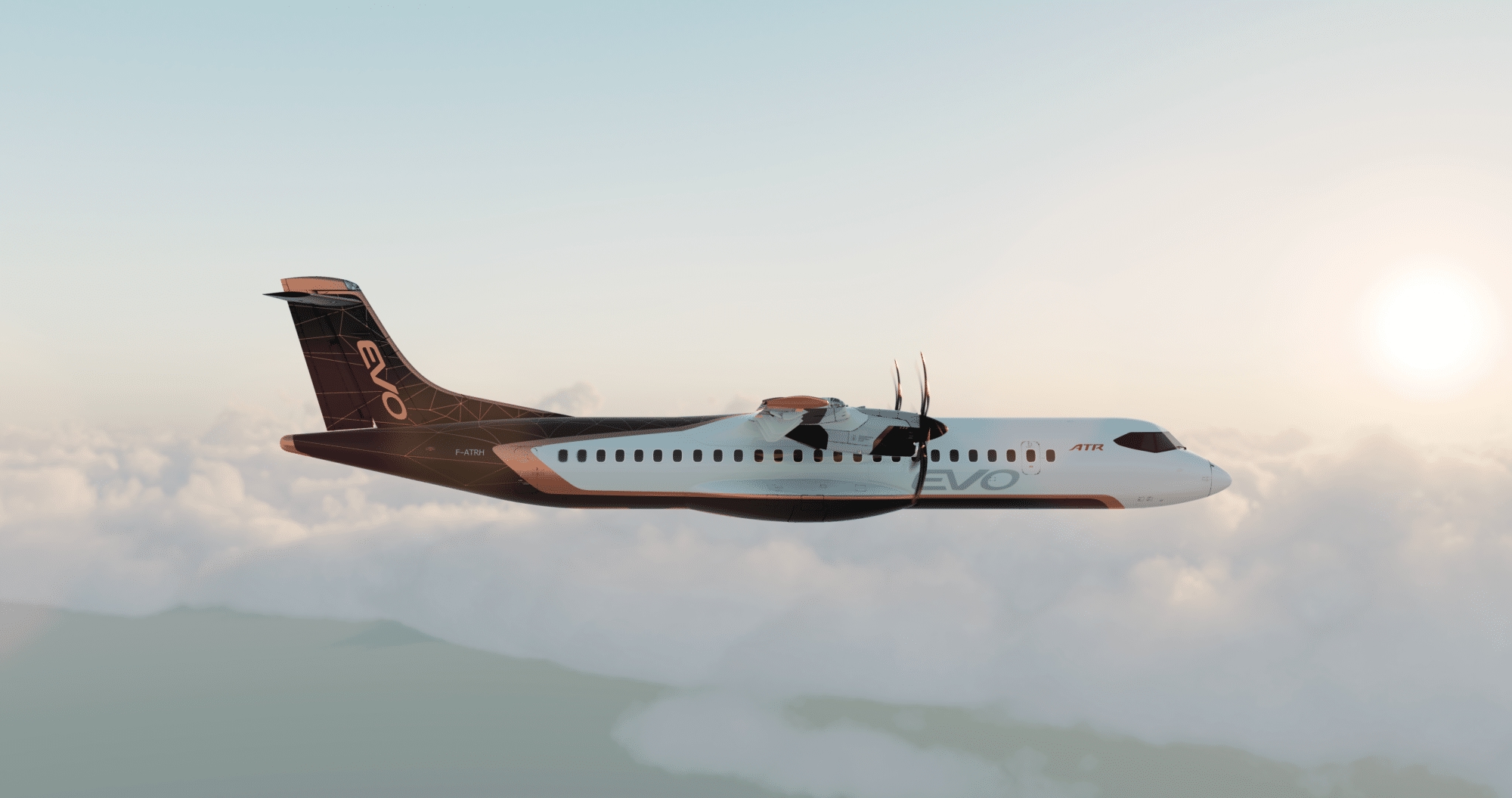
Now, that is doubly true with the limited long-term growth of the turboprop market as the planemaker looks to its hybridized next-generation ATR 72 concept, dubbed the “Evo.” ATR seeks to define the technological architecture for the Evo in 2029 ahead of a planned 2035 entry into service.
Validating the hybridization for the aircraft is “going to be a massive investment from ATR and from the funding that we get from the European Commission,” Tarnaud Laude said. “But of course, we have a lot of hope, and that’s really something, that this technology…will work, and that we can include it into our Evo project, where our decision will be made in 2029.”
Subscribe to continue reading...Subscribe to Continue Reading
Our award-winning aerospace reporting combines the highest standards of journalism with the level of technical detail and rigor expected by a sophisticated industry audience.
- Exclusive reporting and analysis on the strategy and technology of flying
- Full access to our archive of industry intelligence
- We respect your time; everything we publish earns your attention