
Log-in here if you’re already a subscriber

Recent U.S. intervention to prop up the yen — trading at lows relative to the dollar not seen since the 1960s — might have far-reaching implications for airlines aiming to profit from the record boom in travel to Japan.
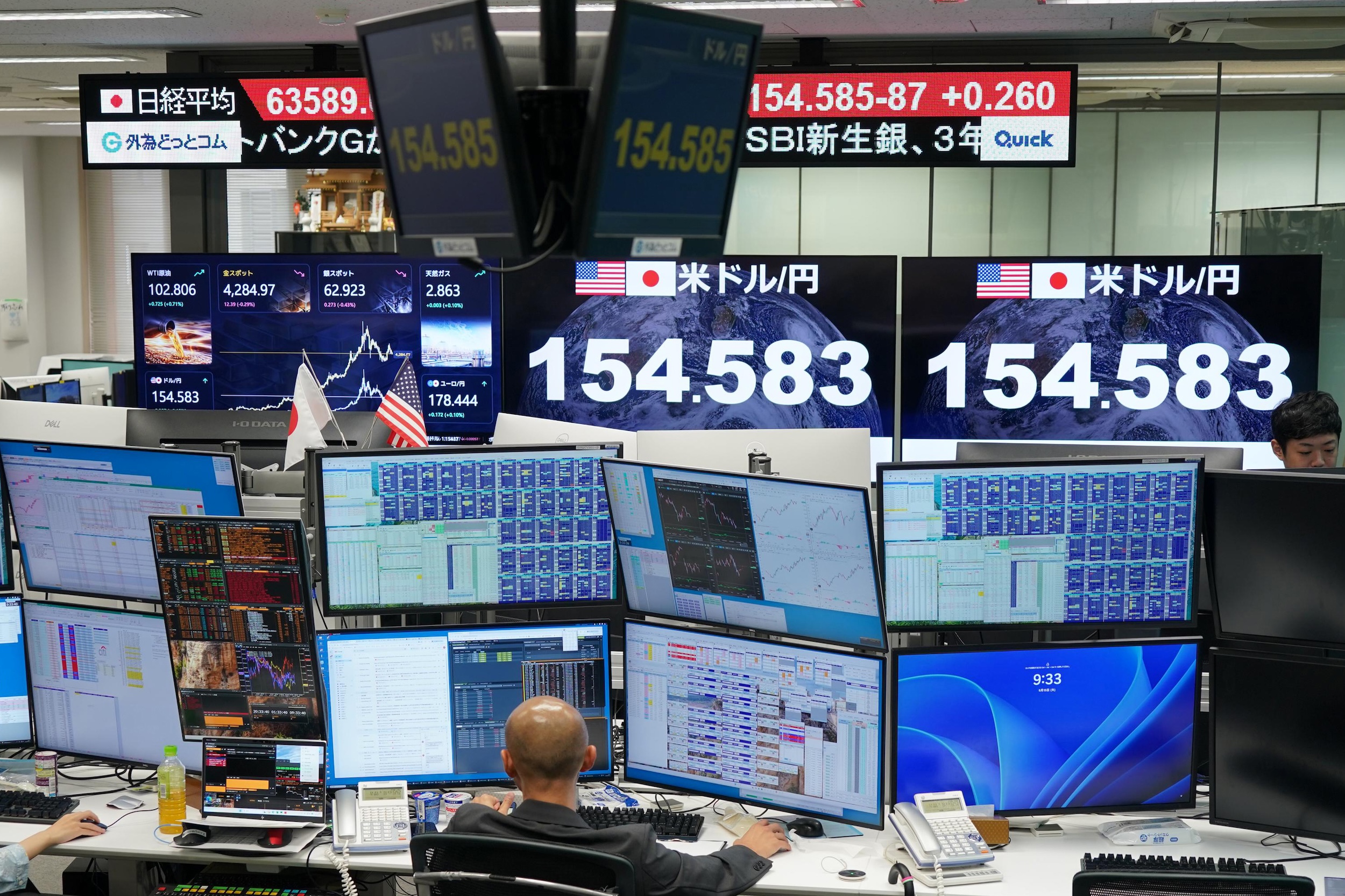
In a rare direct foreign currency intervention, the Federal Reserve Bank of New York at the end of July sold euros and purchased yen as part of a joint action with the Bank of Japan. Markets are closely watching a Bank of Japan meeting scheduled for Sept. 17-18 that is widely expected to result in interest rate increases by the country’s central bank to drive the appreciation of the yen, a policy shift aggressively supported by U.S. Treasury Secretary Scott Bessent.
But the machinations in the currency market risk undercutting the fundamentals driving U.S. airlines’ post-pandemic wave of expansion and fresh plans for 2027. The strong exchange rate between the dollar and the yen has fueled a renaissance of American travel to Japan, and U.S. airlines are investing heavily to meet the demand.
“Japan is hot right now from a cultural perspective in terms of demand, and yes, the yen does play a factor into that, and the fact that it’s very affordable, very much so versus the past,” said Patrick Quayle, United Airlines’s senior vice president for global network planning and alliances during a media briefing with reporters on its summer 2027 network plans.
Subscribe to continue reading...Subscribe to Continue Reading
Our award-winning aerospace reporting combines the highest standards of journalism with the level of technical detail and rigor expected by a sophisticated industry audience.
- Exclusive reporting and analysis on the strategy and technology of flying
- Full access to our archive of industry intelligence
- We respect your time; everything we publish earns your attention