
Log-in here if you’re already a subscriber

In the weeks before Sean Duffy was sworn in as U.S. Transportation Secretary, his soon-to-be chief of staff Pete Meachum sat down with National Transportation Safety Board Member Todd Inman. Inman, who previously served in the same chief of staff role himself, had some advice to impart.
Inman told Meachum that there are two kinds of secretaries who emerge in the face of tragedy: ones that lean in and take charge, and ones that don’t, according to a person familiar with the exchange.
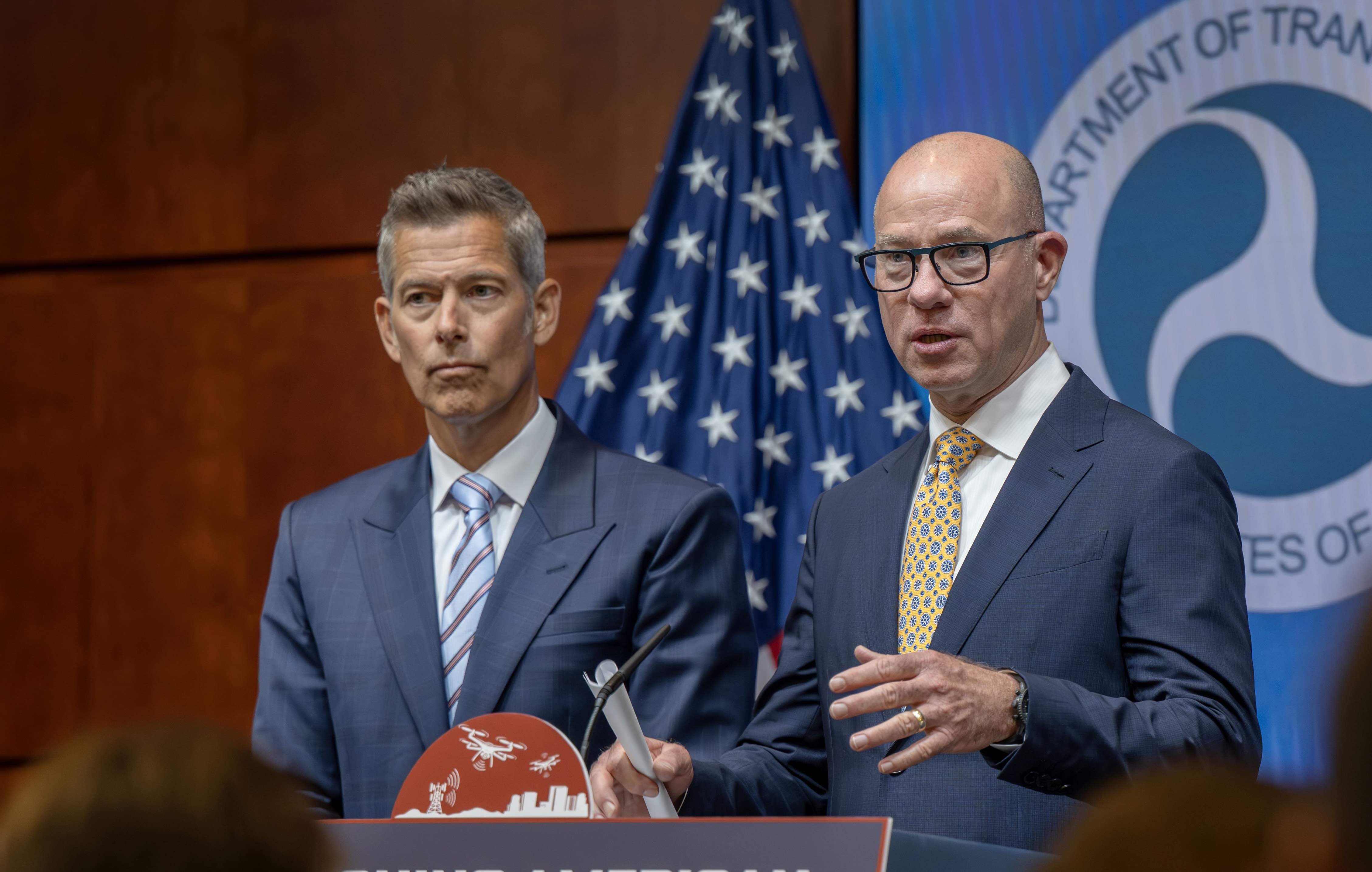
That prescient conversation foreshadowed a series of events that would create a challenging dynamic between Duffy, a former Fox News talk show host and Congressman from Wisconsin, and President Donald Trump’s permanent pick to lead the Federal Aviation Administration, Bryan Bedford. On Jan. 29, 2025, Duffy was just hours into his first day on the job when 67 people were killed in a mid-air collision near Washington, D.C.’s Reagan National Airport. Duffy leaned in as the public face of the government’s response to the air safety disaster — and did not lean out when Bedford was confirmed as FAA Administrator five months later.
Related: Bryan Bedford’s history of grabbing aviation’s third rails
Bedford’s 20-year stint as a hard-charging CEO unaccustomed to taking orders has often conflicted with Duffy’s desire to entrench himself in the day-to-day running of the FAA, according to over two dozen people interviewed for this story, all of whom were granted anonymity to discuss internal FAA operations and policymaking. Many of them told The Air Current that this challenging dynamic between Bedford and Duffy hit a “low point” during the historic 43-day government shutdown that began in October 2025, when aviation became a central leverage point for the White House and Congress as air traffic controller absences and subsequent flight delays placed the FAA in the national spotlight.
Although there are indications that the relationship between Duffy and Bedford has improved, their clashes exacerbated a year of turmoil and intense change at the U.S. aviation regulator, which has been plagued by a staff exodus and low morale. All of the current FAA employees who spoke with TAC said they were considering leaving the agency or had plans to do so soon.
It is amidst this tumultuous environment that the agency is undergoing several simultaneous, foundational changes, including the monumental challenge of air traffic control modernization and its largest-ever internal reorganization — efforts that, regardless of their success, will define the future of the FAA.
Subscribe to continue reading...Subscribe to Continue Reading
Our award-winning aerospace reporting combines the highest standards of journalism with the level of technical detail and rigor expected by a sophisticated industry audience.
- Exclusive reporting and analysis on the strategy and technology of flying
- Full access to our archive of industry intelligence
- We respect your time; everything we publish earns your attention