
Log-in here if you’re already a subscriber
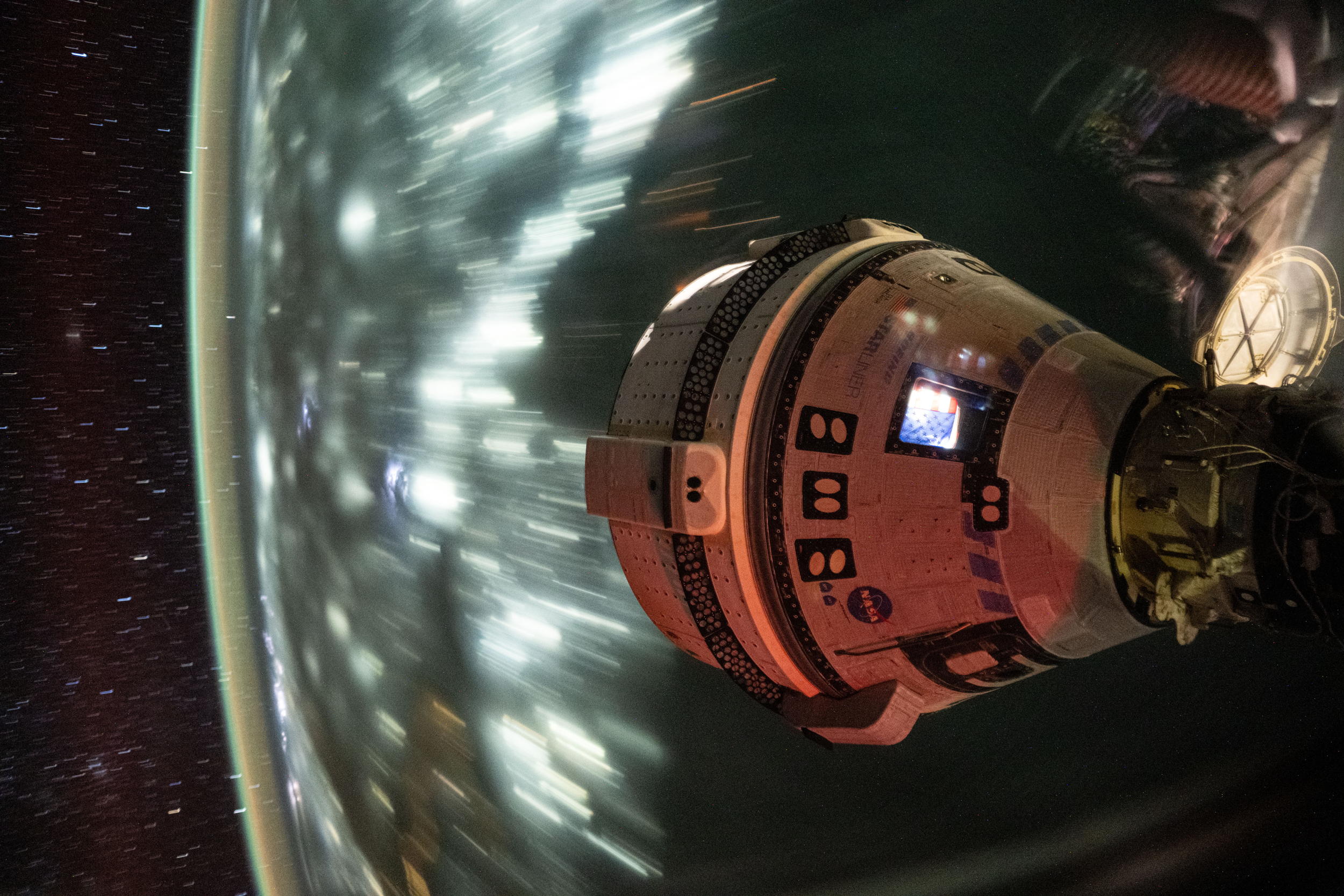
NASA is investing in Boeing’s long-delayed Starliner spacecraft to ferry astronauts to Low Earth Orbit into the 2030s while also wooing other vendors to create successors to the SpaceX Dragon capsule that’s dominated human spaceflight this decade.
Elon Musk’s space behemoth plans to phase out its highly successful capsule and Falcon 9 rocket as it shifts its strategy and resources to the fully reusable Starship rocket and extraterrestrial data centers. SpaceX, which is preparing to launch the Crew-13 mission on Oct. 1, has picked up the load for NASA while Boeing struggled to address Starliner’s thruster malfunctions and helium leaks.
Related: Boeing’s Starliner odyssey takes an unexpected turn
While NASA officials insist they don’t know the timeline for sunsetting Dragon, the agency is already working to ensure it doesn’t lose the capability to send humans to orbit in American-made spacecraft. During a press conference on Monday detailing Starliner’s return to space following a near-catastrophe in 2024, Administrator Jared Isaacman pitched other commercial entrants and their investors on the business case for serving as Dragon’s replacement.
Continue ReadingSubscribe to Continue Reading
Our award-winning aerospace reporting combines the highest standards of journalism with the level of technical detail and rigor expected by a sophisticated industry audience.
- Exclusive reporting and analysis on the strategy and technology of flying
- Full access to our archive of industry intelligence
- We respect your time; everything we publish earns your attention