As Senior Editor, Elan spearheads The Air Current’s coverage of electric vertical takeoff and landing (eVTOL) aircraft, along with a focus on emerging sustainable technologies. A commercially-rated helicopter pilot and FAA Gold Seal flight instructor, Head brings a unique vantage point to explore this critical new sector.
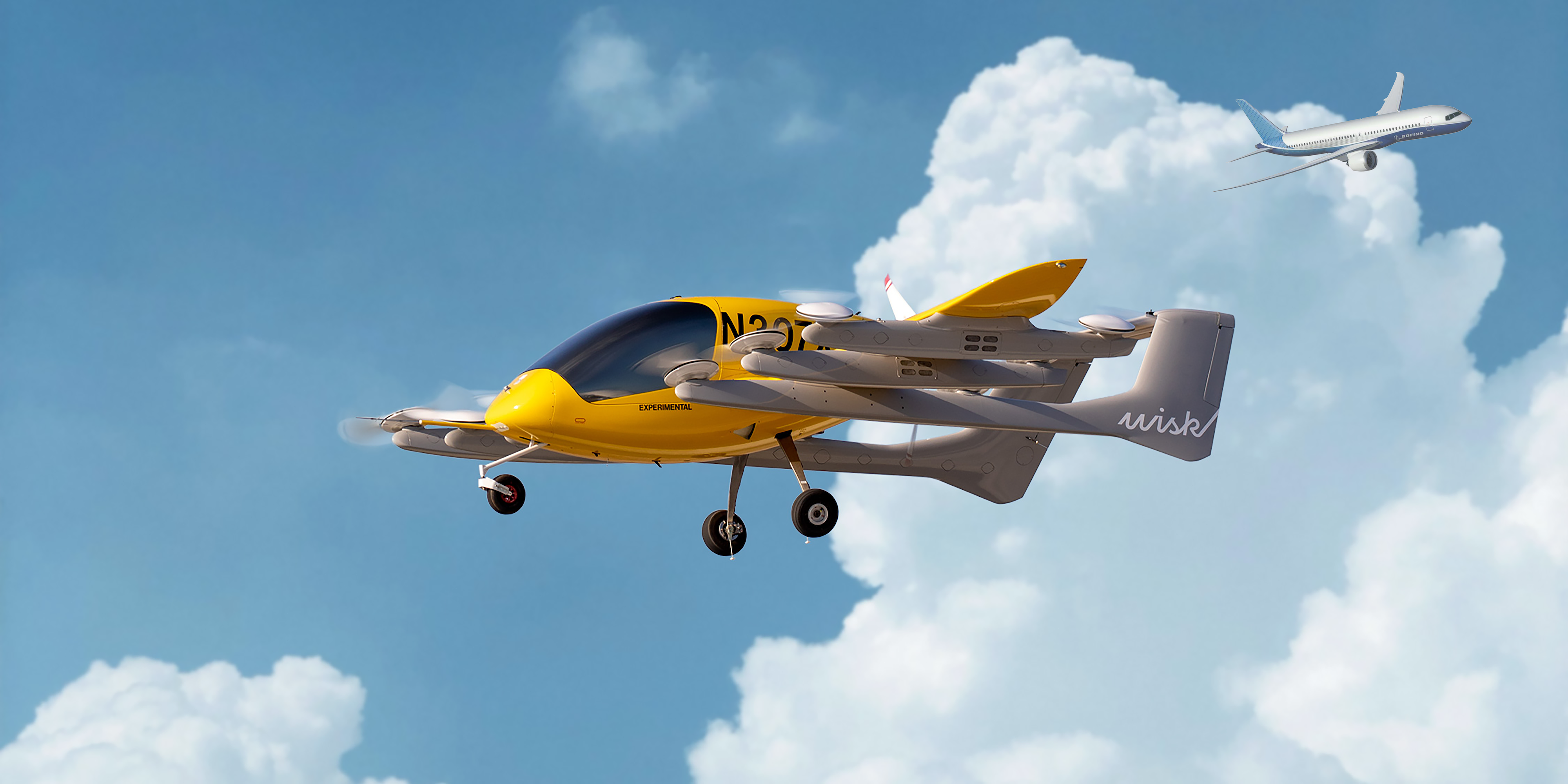
Reuters took a close look at Qatar Airways and claims its pilots are making around crew scheduling in the wake of the pandemic, which significantly resized the airline. The result is a broader discussion around fatigue and the risk of cockpit mistakes that should serve as context given other recent incidents, including Emirates 231. Boeing is betting on Wisk to be its pathfinder to autonomy, so how does the eVTOL entrant plan to do it? United Airlines formally launched its own flight academy, giving aspiring pilots a private certificate and a leg up to an eventual job flying with the airline. Yet, there are still very real obstructions that are clogging the pipeline of pilots.
For Wisk and its major backers, it’s all or nothing — and if the startup can win a fully-autonomous certification, it offers Boeing a bridge to adapt those technologies to its next-generation airliners, a goal it has eyed since at least 2017.
Eviation’s progress as the first all-new passenger commercial airplane exclusively powered by batteries is being closely watched as a technical, economic and regulatory pathfinder for the wider adoption of electric flight.
These findings imply that the first wave of eVTOL developers should focus less on pitching their services as a daily commuting solution, and more on a mix of use cases that can support a practical and profitable roll-out. There’s a chicken-and-egg element involved in scaling UAM: driving costs low enough to create the demand that will drive costs down even further. While there are additional hurdles to scale (such as coordinating thousands of low-altitude flights per day in congested urban airspace) economics will be front and center in establishing this new industry’s viability, and the evidence suggests that if you build a system for commuters alone, they won’t come.
With Eviation's maiden flight fast approaching, the Washington state aerospace cluster is evolving as it becomes a focal point for green aviation aspirants and increasingly untethered from the enormous industrial gravity created by Boeing.
Before the eVTOL gold rush took shape, the National Research Council in 2014 explored how autonomy could transform aviation, but with a sober and realistic view on making it possible. Its findings are even more relevant in 2022.
Since 1969, only 13 western twin-aisle aircraft types have been certified by just four manufacturers. We visualized the production history of each one and the more than 9,500 that have been delivered to the world's airlines. The data illustrates the story more than a half century of unimaginable successes, stark failures and an incredible boom and bust.
At first glance, the purchase of 50 new-generation aircraft looks out of character for Allegiant Air, here's why it jumped on the Boeing bandwagon. There's a rivalry brewing between eVTOL entrants Joby Aviation and Archer. The quiet war of words over certification milestones are increasingly important to watch as both eye 2024 for regulatory approvals and the bragging rights for first to fly paying passengers. Emirates 231 wasn't the only incident of its kind. There's no global system of incident reporting -- and that's what makes independent aviation journalism so important.
When Embraer spinoff Eve on Dec. 21 confirmed plans to combine with Zanite Acquisition Corp., it became the sixth company in the urban air mobility space to link up with a special purpose acquisition company (SPAC). Rather than speak to the continued strength of SPACs, however, the deal illustrates the funding vehicle’s decline as an ample source of outside capital — even as it cements Embraer’s strategy of using partnerships to expand into new markets.
Although much of the shine has worn off them at the beginning of 2022, SPACs have successfully funneled billions of dollars to early-stage technology companies, including multiple aerospace startups — giving them the capital they need to supercharge research and development and take experimental concepts through certification.
Zeen is a next generation WordPress theme. It’s powerful, beautifully designed and comes with everything you need to engage your visitors and increase conversions.
This website uses cookies to improve your experience. We'll assume you're ok with this, but you can opt-out if you wish. AcceptRead More
Privacy & Cookies Policy
Privacy Overview
This website uses cookies to improve your experience while you navigate through the website. Out of these, the cookies that are categorized as necessary are stored on your browser as they are essential for the working of basic functionalities of the website. We also use third-party cookies that help us analyze and understand how you use this website. These cookies will be stored in your browser only with your consent. You also have the option to opt-out of these cookies. But opting out of some of these cookies may affect your browsing experience.
Necessary cookies are absolutely essential for the website to function properly. This category only includes cookies that ensures basic functionalities and security features of the website. These cookies do not store any personal information.
Any cookies that may not be particularly necessary for the website to function and is used specifically to collect user personal data via analytics, ads, other embedded contents are termed as non-necessary cookies. It is mandatory to procure user consent prior to running these cookies on your website.