
Log-in here if you’re already a subscriber
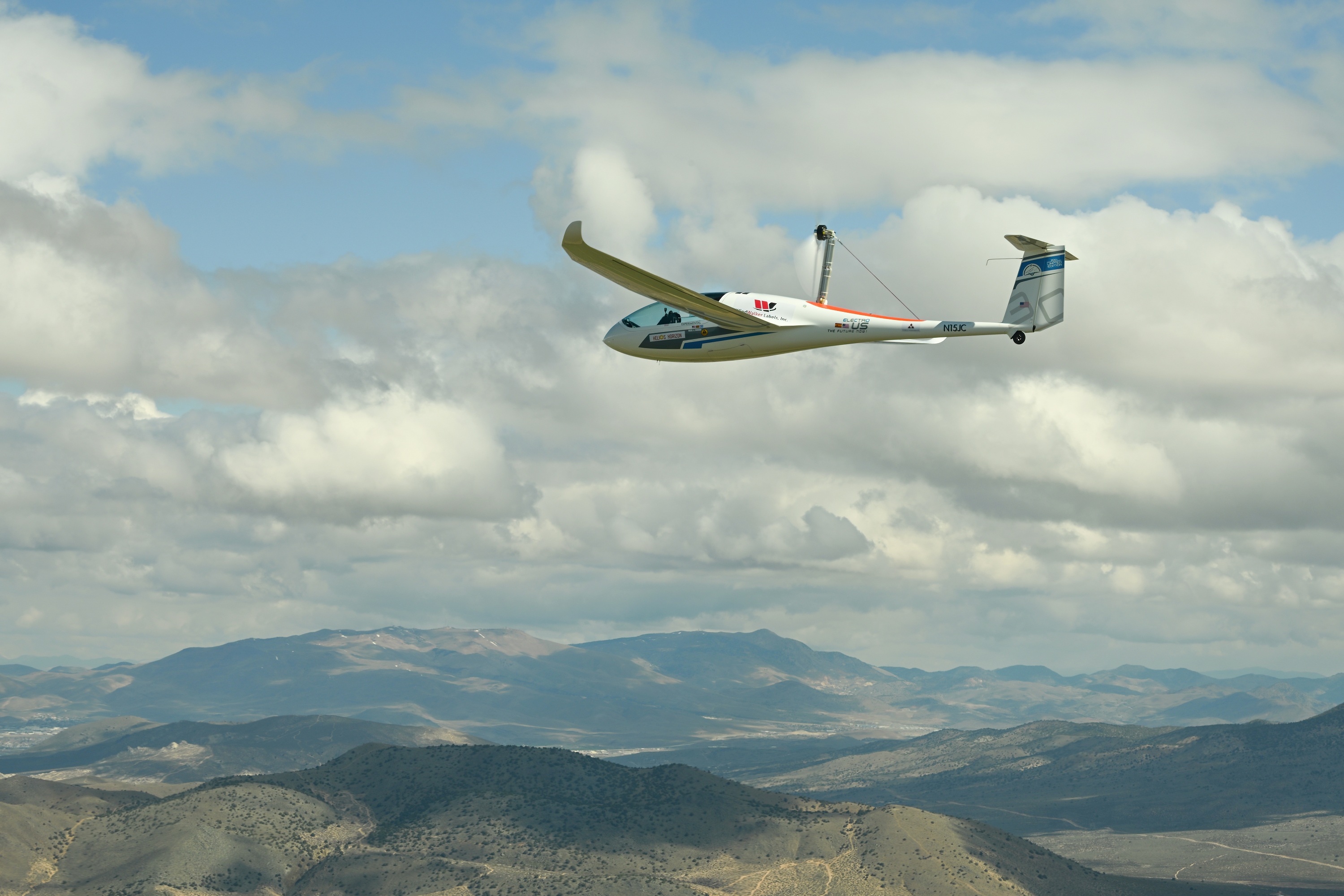
A project that aims to demonstrate the feasibility of electric flight at altitudes typically flown by commercial airliners has performed its first crewed flights with the battery technology it believes will power it into the stratosphere.
The nonprofit organization Helios Horizon described the June 5 flights at Zephyrhills Municipal Airport in Florida as marking “the first flight of a human-piloted electric plane powered by solid-state batteries.”
Long seen as the “holy grail” of battery technology for aviation, solid-state batteries offer much higher energy density than conventional lithium-ion cells along with significantly reduced thermal runaway concerns — at least in theory. But the definition of a solid-state battery is contested, and not everyone would agree that the cells used to power the program’s modified Pipistrel Taurus motorglider are, in fact, solid-state.
Even so, the flights represent a milestone for the electric aviation industry, with the underlying battery cells boasting an energy density above 400 Watt-hours per kilogram — approaching the level that the industry has long held up as a benchmark for practical electric flight.
Continue ReadingSubscribe to Continue Reading
Our award-winning aerospace reporting combines the highest standards of journalism with the level of technical detail and rigor expected by a sophisticated industry audience.
- Exclusive reporting and analysis on the strategy and technology of flying
- Full access to our archive of industry intelligence
- We respect your time; everything we publish earns your attention