
Log-in here if you’re already a subscriber
Ten years ago this October, Uber announced in a white paper by its newly created Elevate unit that it was all-in on flying cars.
Not that Uber actually called them “flying cars” in the document that introduced the general public to electric vertical take-off and landing aircraft — that was media shorthand for a term that refused to roll off the tongue. But even if reporters resisted Uber’s nomenclature, they were enraptured by its vision for futuristic air taxis that would whisk commuters over traffic in cities like San Francisco and New Delhi. These electric VTOL aircraft would be similar to helicopters, the white paper explained, but better, because “helicopters are too noisy, inefficient, polluting, and expensive for mass-scale use.”
Uber Elevate, which was later acquired by Joby Aviation, was a major architect of the urban air mobility hype cycle that peaked in 2021, when Joby and other eVTOL developers listed on the public markets with wildly inflated projections of future revenues. Joby and rival Archer Aviation each projected more than $2 billion in air taxi revenues by 2026, with Archer anticipating more than $12 billion in annual revenues by 2030. McKinsey & Company estimated that the industry could need as many as 60,000 new pilots by 2028 to meet exploding demand for air taxi services. Morgan Stanley forecasted that flying cars would be a $1.5 trillion market by 2040.
Today, despite continuing progress in aircraft development, there are exactly zero electric air taxis flying commercial passengers in San Francisco and New Delhi, and skepticism around the concept has grown considerably. Some of its harshest critics are manufacturers and proponents of conventional civil helicopters — so maligned in the Elevate white paper — who have positioned themselves as practical, cold-eyed realists in opposition to the eVTOL champions whom they perceive as dreamers and grifters. Helicopters may be noisy, inefficient, polluting and expensive, they say, but unlike most eVTOLs to date, they actually work.
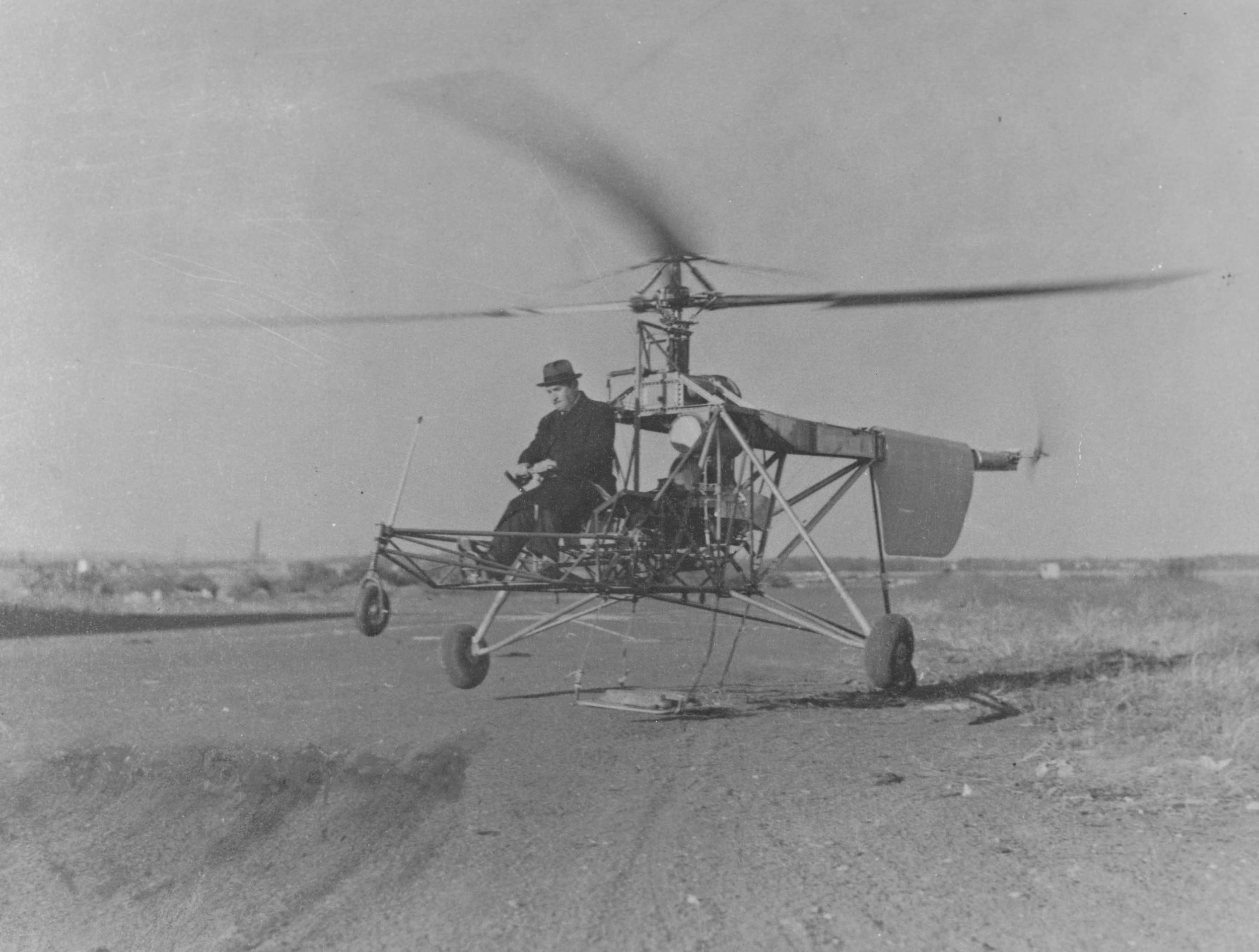
Yet if the helicopter industry today is dominated by pessimists who have been hardened by repeated contact with regulators and physics, this was not always the case. In the early 1940s, the inventor of the world’s first practical helicopter, Igor Sikorsky, promoted a vision of future air mobility that was in many ways even more ambitious than Uber’s.
Subscribe to continue reading...Subscribe to Continue Reading
Our award-winning aerospace reporting combines the highest standards of journalism with the level of technical detail and rigor expected by a sophisticated industry audience.
- Exclusive reporting and analysis on the strategy and technology of flying
- Full access to our archive of industry intelligence
- We respect your time; everything we publish earns your attention